
A Century Old and Still in Its Prime Rigorous Self-Governance Keeps a Large Party Strong

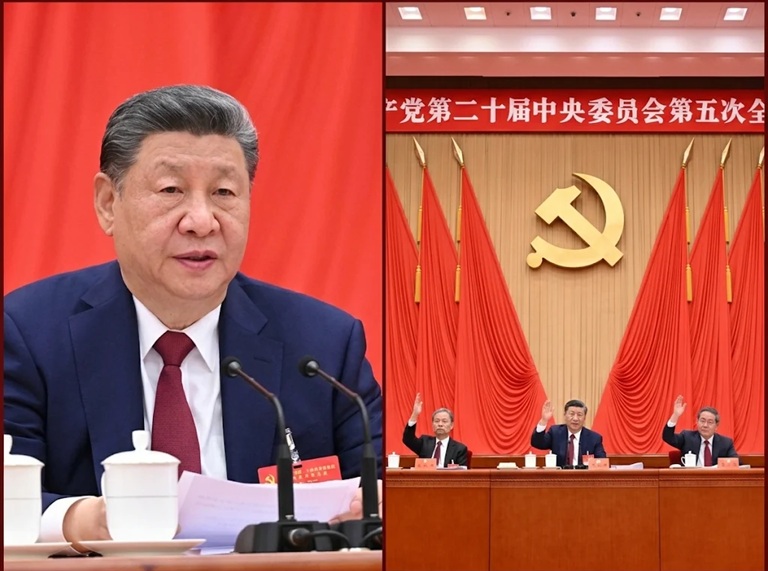 The Fifth Plenary Session of the 20th Central Committee of the Communist Party of China (CPC) was successfully held from October 26 to 29, 2026. The session deliberated and adopted the Resolution of the Central Committee of the Communist Party of China on Certain Major Issues concerning Persevering with Full and Rigorous Party Self-Governance, which comprehensively reviewed the great achievements made and valuable experience gained in exercising full and rigorous Party self-governance in the new era, setting out strategic tasks and major measures for sustaining these efforts. Held as the CPC marks its 105th anniversary and at a critical juncture in the great rejuvenation of the Chinese nation, this extremely important meeting fully demonstrated the Party’s clear understanding of the need to strengthen itself and its firm resolve to do so, breaking new ground in supervising, governing, developing and strengthening the Party in the new era, while also offering the world a window into the success of China’s governance.
In the more than three months since I arrived in Sri Lanka, I have had extensive and in-depth exchanges with Sri Lankan political leaders, representatives of political parties, and people at the grassroots level. Our Sri Lankan friends have spoken highly of the tremendous changes that have taken place in China and its remarkable development achievements. Why has China been able to write new chapters in the miracles of rapid economic development and long-term social stability? The answer, in a nutshell, is that China’s success hinges on the Party, and in particular on its efforts to exercise full and rigorous self-governance.
Why must we persevere with full and rigorous Party self-governance? Eighty-one years ago, in a cave dwelling in Yan’an, the prominent democratic figure Huang Yanpei raised a question drawn from history: why do regimes rise so rapidly, only to fall so suddenly? Chairman Mao Zedong offered the first answer to the question of how to escape the historical cycle of rise and fall: the people’s oversight over government. In the new era, the CPC has found, through practice, the second answer to consolidating its long-term governing position—self-reform. This means having the courage to introduce stringent measures to tackle our own problems, exercising full and rigorous Party self-governance, and ensuring that the Party maintains its advanced nature and integrity and can purify, improve, renew and excel itself.
Over its glorious history of more than a century, the CPC has united and led the people to achieve one victory after another. A key reason is that, during each historical period, the Party has attached great importance to its self-supervision and self-governance, had the courage to uphold truth and correct errors, and grown ever stronger by relying on its own efforts and the support of the people to resolve its own problems. On these occasions, the Party has harnessed the mighty force that stems from the entire Party and the whole nation forging ahead in unity, bringing about historic achievements and transformations in the cause of the Party and the country. Today, China is making great strides toward a bright future through Chinese modernization. Its comprehensive national strength has increased substantially, its historic battle to eliminate absolute poverty has been etched in history, and its advances in science, technology and innovation continue apace. More than 92% of the people affirm their sense of fulfillment, happiness and security, while satisfaction with the Party and the government has remained above 90% for many consecutive years. These substantive, impressive development achievements that bring tangible benefits to the people are strong testament to how the Party’s self-reform enhances national governance and improves people’s well-being.
To do a good job of governing the country, we must first do a good job of governing the Party, and that means governing it strictly. In the face of a complicated international landscape and the challenging domestic tasks of advancing reform, development and stability, only by persevering with full and rigorous Party self-governance and constantly removing the viruses that erode the Party’s health can we build a stronger and more capable Party and seize the historic initiative in building a great Party and a great country.
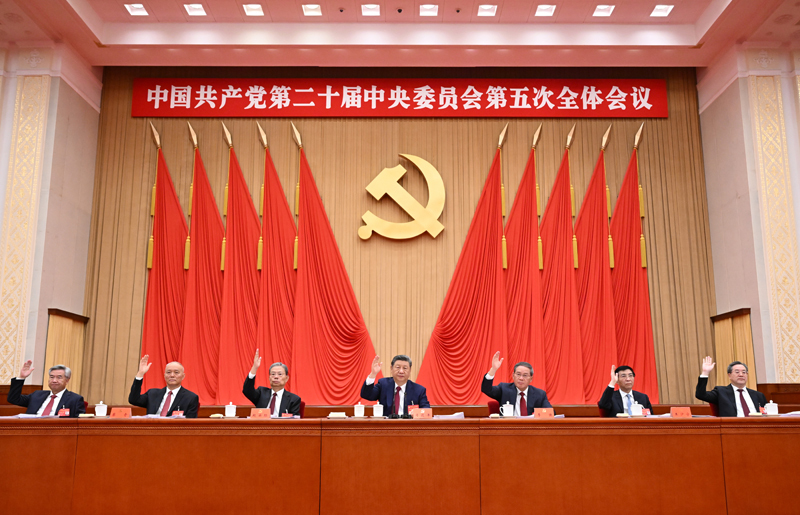 How should we persevere with full and rigorous Party self-governance? Since the beginning of the new era, the CPC Central Committee with Comrade Xi Jinping at its core has demonstrated tremendous political courage and a strong sense of responsibility in steadfastly exercising full and rigorous Party self-governance. With the courage to introduce stringent measures to tackle our own problems, the Party has remedied deep-seated problems, improved conduct, won the people’s support, and ensured overall stability, giving this century-old Party renewed vitality. The Fifth Plenary Session of the 20th CPC Central Committee once again demonstrated the Party’s firm confidence and unwavering resolve to face up to problems and challenges and to persevere with full and rigorous Party self-governance with higher standards and more concrete measures. Guided by Xi Jinping Thought on Party Building, the Resolution sets out seven guiding principles and makes arrangements in the following areas: strengthening the Party spirit of Communists; strictly practicing democratic centralism; cultivating high-caliber officials capable of shouldering the mission of national rejuvenation; building a well-knit organizational system characterized by cross-level alignment and effective implementation; improving conduct and tightening discipline on an ongoing basis; taking firm and integrated action against corruption; and running the Party through institutions and regulations. These arrangements chart the course for further advancing the Party’s self-reform, ensuring that the Party never changes its nature, its conviction, or its character, and continuously reinforcing the foundations for its long-term governance.
Sri Lanka is firmly committed to achieving good governance and stability and to independently exploring a path to modernization suited to its national conditions, with the aim of realizing the inspiring vision of “a thriving nation, a beautiful life”. It is implementing the “Clean Sri Lanka” initiative, vigorously combating corruption and promoting integrity, and working to foster a clean and upright political environment. These efforts have produced notable results and won public acclaim. Under the strategic guidance of our two heads of state, China stands ready to deepen inter-party exchanges with Sri Lanka and promote mutual learning on strengthening party building, improving conduct, training and supervising Party members and officials, rectifying misconduct, enforcing discipline and combating corruption, and making better use of the four forms of oversight over discipline compliance. Through these exchanges, we can jointly enhance our governance capabilities, promote friendly cooperation across all fields with greater depth and concrete results, and bring greater benefits to our two peoples.
What can full and rigorous Party self-governance contribute to the world? Today, changes unseen in a century are accelerating across the world. The international landscape is volatile and fraught with risks and challenges. Some countries have long been mired in conflicts and disorder, while others are caught in partisan strife and social unrest. Despite all the trials it has endured, the CPC has remained true to its original aspiration and retained its distinctive character. Full of vitality and still in its prime, the Party is uniting and leading the Chinese people in building a great country and advancing national rejuvenation on all fronts through Chinese modernization. At the same time, shouldering its responsibilities as a major country, China continues to bring greater certainty to the world through its commitment to peace, cooperation and progress. Around the world, more and more countries are looking eastward to explore why the CPC could gain success.
Countries differ in their histories, cultures, political systems and stages of development, yet strengthening party building, ensuring that power is exercised in a well-regulated manner, combating corruption and promoting integrity are common tasks. By persevering with full and rigorous Party self-governance and actively sharing its theoretical and practical experience in supervising, governing, developing and strengthening itself, the CPC offers Chinese wisdom and solutions to political parties around the world, particularly in the Global South, including those in Sri Lanka, as they explore governance paths suited to their own national conditions. These efforts also offer fresh insights for the advancement of political civilization worldwide.
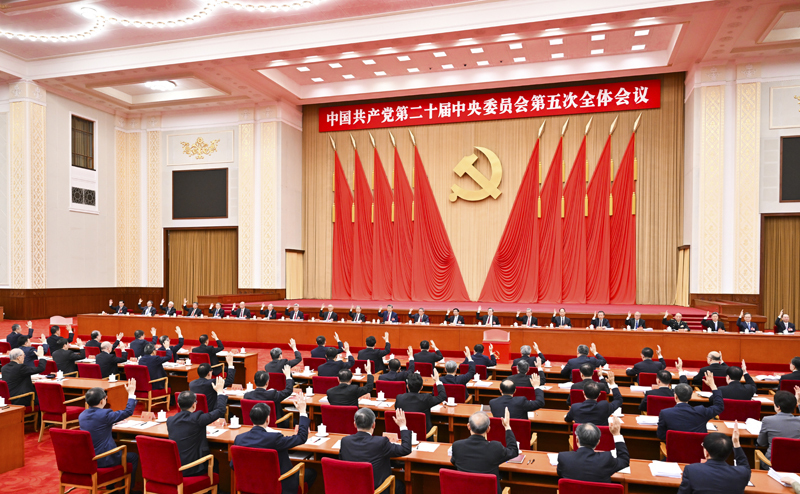 At this new historical starting point, a CPC that perseveres with full and rigorous self-governance will undoubtedly grow stronger through revolutionary tempering and will surely remain full of vigor and vitality. It will continue to secure new achievements in Chinese modernization and contribute more positive energy to world peace and development. Taking the Fifth Plenary Session of the 20th CPC Central Committee as a new opportunity, we will remain true to our original aspiration and founding mission and stay focused on self-reform as a long-term undertaking. We will steadfastly follow the path of Chinese modernization, pursue high-quality development, and advance high-standard opening up, sharing opportunities and promoting prosperity with countries around the world.
We stand ready to work with all Sri Lankan political parties to draw wisdom from the history of exchanges between our two countries and draw strength from the spirit of the Rubber-Rice Pact. We will continue to carry forward the spirit of “independence, self-reliance, solidarity and mutual assistance,” uphold the principles of “mutual respect, fairness and justice,” overcome interference and meet challenges together, and enhance exchanges and mutual learning on our ideas and approaches. By joining hands on the path to modernization, we will continue to advance the China-Sri Lanka strategic cooperative partnership featuring sincere mutual assistance and everlasting friendship and jointly build a China-Sri Lanka community with a shared future!
සම්බන්ධිත පුවත් | Related News






ප්රධාන පුවත්
2027 අයවැය දෙවැනිවර කියවීම සම්මතයි - පක්ෂව 157.. විපක්ෂව 60යි..
ෂෙන්ෂෙන් බලවතුන්ගේ හමුව ලෝකය බෙදාගැනීමට ද?.. – ආචාර්ය ජගත් චන්ද්රවංශගෙන් අනාවරණයක්
වෙස්මුහුණු ගැලවුණු යුරෝපීය යුක්තිය: අර්බුදයකට මැදි වූ ජාත්යන්තර අපරාධ අධිකරණය..
උද්ධමනය 9%ක් දක්වා ඉහළ යා හැකියි.. - මහ බැංකු අධිපති කියයි
මාළුවකු ලබාදීම මෙන්ම මාළු ඇල්ලීමට අවශ්ය හැකියාව ද ලබාදීම යන ආදර්ශය ශ්රී ලංකාව තුළ ප්රවර්ධනය කිරීමට අපි බලාපොරොත්තු වෙනවා- ශ්රී ලංකාවේ චීන තානාපති ගරු Wei Huaxiang මැතිතුමා
ජනපති අනුර පළාත් සභා ඡන්ද නොපවත්වා 2029 ජනාධිපතිවරණයට තනි අශ්වයාගේ රේස් එකක් සැලසුම් කරනවාද?.. - ධර්මශ්රී ගෙන් අනාවරණයක්..
2027 අයවැය දෙවන වර කියවීමේ ඡන්ද විමසීම අද..
NPP ආණ්ඩුවේ ප්රගතිය එකමිටට කියපු ඩී.වී. චානක..
"මාතලේ අළු විහාරයේ ප්රේරණ කලාපයේ හදපු පල්ලියක් ලොකු කරන්න අවසර දීලා.. පුරාවිද්යා අධ්යක්ෂක ජනරාල් පුරාවිද්යා පනත උල්ලංඝනය කරලා.." - වෛද්ය වසන්ත බණ්ඩාර
ශ්රී පාද මාවත වනජීවී දෙපාර්තමේන්තුවට අයත් නැහැ.. එය මහජනතාව සතුයි.. - ශ්රී පාදස්ථානාධිපති හිමි
2035 වන විට ඉස්ලාම් ආගම ලොව විශාලතම ආගම බවට පත්වන බවට පිව් පර්යේෂණ මධ්යස්ථානයෙන් පුරෝකථනයක්..
අමෙරිකා, රුසියා, චීන බලවතුන්ගේ ත්රෛපාර්ශ්වික සාකච්ඡාව අද..
ඥානසාර හිමියන්ගේ චීවරය ඉවත් කිරීමට එරෙහි රිට් පෙත්සම් විභාගය නැවත කැඳවීම දෙසැම්බර් 01 වැනිදා..
ටෙන්ඩර් කැඳවීමක් නැතිව ඊශ්රායලයෙන් හදිසියේ ඩ්රෝන යානා මිල දී ගන්නේ ඇයි?.. - ධර්ම ශ්රී කාරියවසම්ගෙන් අනාවරණයක්..
චීවරධාරී රාජාංගනයේ සද්ධාරතන අත්අඩංගුවට..
ගෝලීය බලවතුන් තිදෙනාගේ ඓතිහාසික හමුවෙන් සාකච්ඡා වන ප්රධාන මාතෘකා මොනවාද?..