Dr. Channa Jayasumana Reveals the Crisis in Cuba

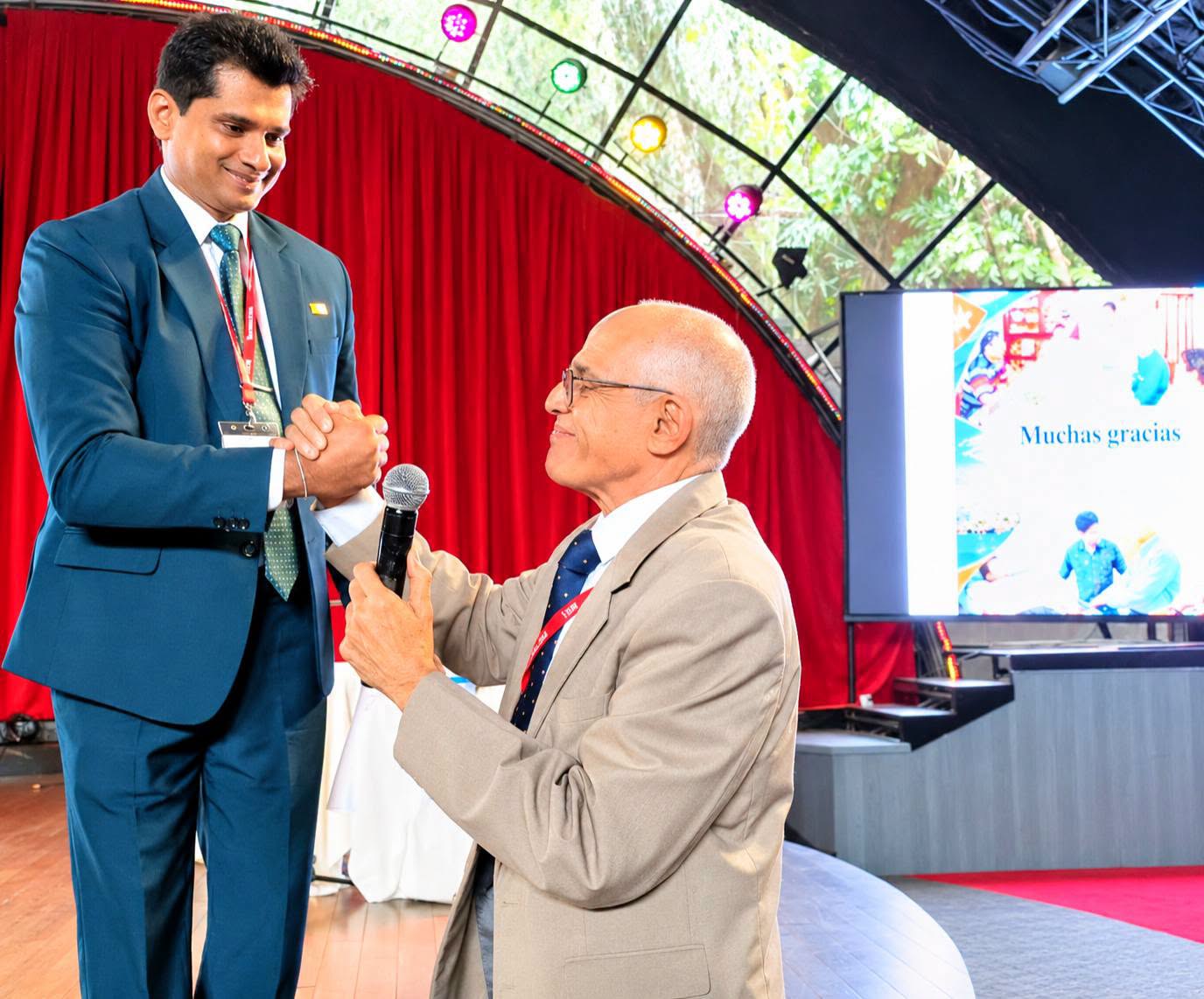 Following his participation in a conference on non-communicable diseases in Havana, Cuba, Member of Parliament and Professor Channa Jayasumana has described the country's current situation, saying that Cuba is rapidly heading towards a severe humanitarian crisis.
Professor Jayasumana, who attended the conference as a special invitee, said that his decision to accept the invitation and visit Cuba at a time when the country was facing a crisis had been particularly appreciated by senior officials of the Cuban government and its Ministry of Public Health.
He also said that he had explained how Sri Lanka managed to maintain the continuity of its healthcare services during the COVID-19 pandemic, despite various obstacles and challenges.
Below is the full account he published on his Facebook page:
The Situation in Cuba
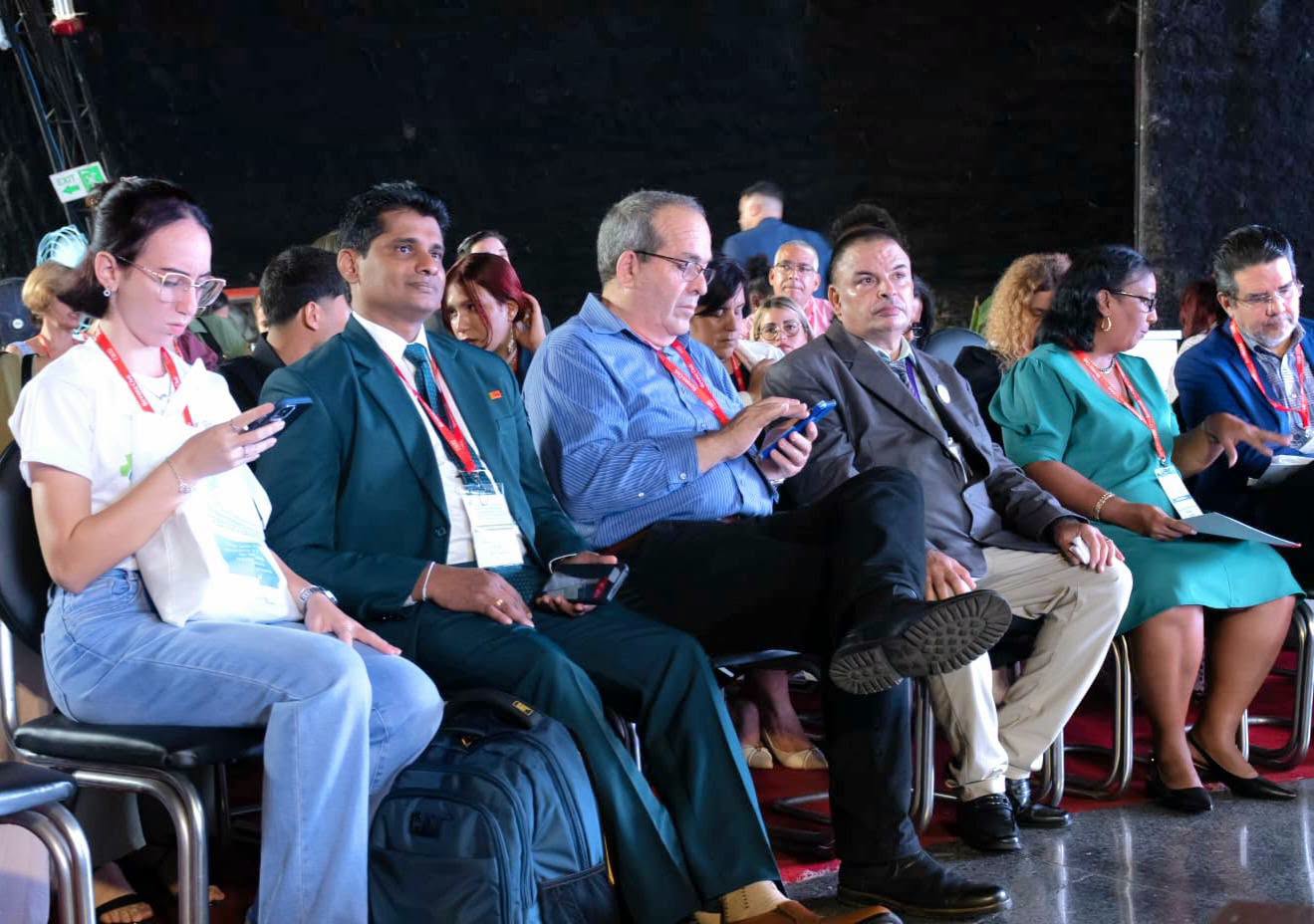
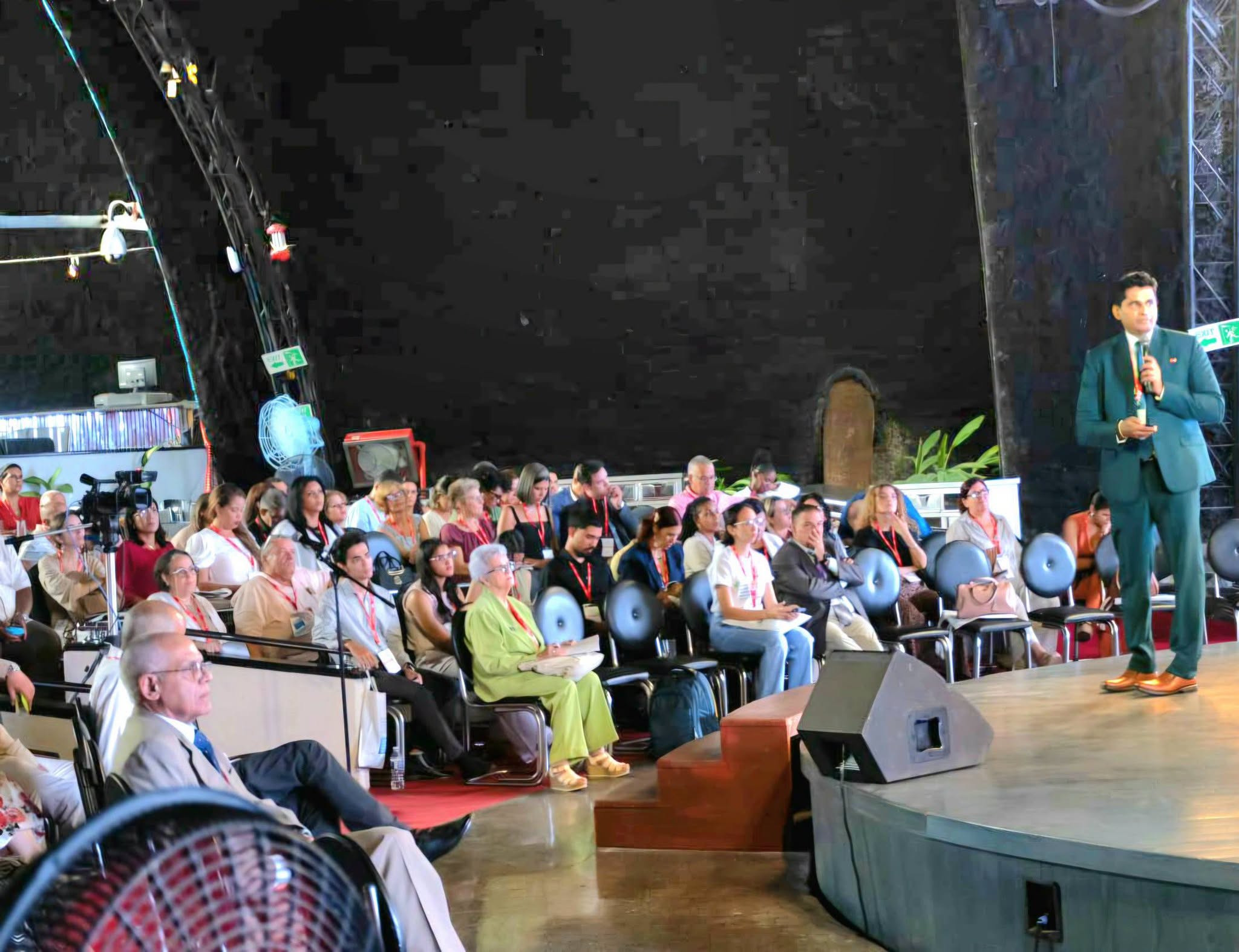
I participated as a special invitee in a conference on non-communicable diseases held in Havana, Cuba.
The Cubans particularly appreciated my decision not to turn down their invitation and to visit the country at a time when it was facing a crisis. The Cuban Minister of Public Health, senior health officials, and Professor Rahul Herrera, who has been collaborating with us on kidney disease research since 2012, specifically acknowledged this.
Despite the difficulties facing their country, they made every effort to ensure that I received excellent hospitality without any shortcomings.
In addition to sharing information about our kidney disease research, I briefed them on how Sri Lanka managed to sustain its healthcare services without allowing them to collapse during the COVID-19 pandemic, despite protests, strikes and disruptive activities.
Although Cuba maintained a very high standard of healthcare for many years, it is now facing numerous problems due to the ongoing energy crisis.
Electricity generation in Cuba is primarily dependent on burning petroleum. Venezuela was its principal supplier of oil.
Following the abduction of the Venezuelan President and his transfer to the United States on January 3 this year, oil supplies were disrupted. At the same time, further tightening of sanctions against Cuba, with American involvement, has largely halted oil supplies from other countries as well.
As a result, electricity supplies across Cuba are now severely restricted. Rural areas receive no electricity, while urban areas have access to electricity for only a few hours a day.
Even airports and hospitals receive electricity intermittently. During my stay, the baggage conveyor belt at Havana Airport stopped three times due to power interruptions.
Because of power outages, several patients who depend on ventilators in major hospitals reportedly die every day.
Due to restricted fuel supplies, garbage collection has come to a standstill in Havana and other major cities. As sanitation conditions deteriorate, Hepatitis A, a disease transmitted through contaminated food and water, is spreading.
Almost all the major hotels in the country have closed, with the exception of the Hotel Nacional de Cuba, where I was accommodated. The tourism industry has virtually collapsed.
A considerable number of doctors have left the country. The Cuban currency, the peso, has fallen to a level where its value has become almost negligible.
According to the official foreign exchange rate, one US dollar is equivalent to 25 Cuban pesos. However, at the hotel where I stayed, the exchange rate was 920 pesos to the US dollar.
Indeed, Cuba is currently moving rapidly towards a humanitarian crisis.
Cubans are a very wonderful people. Despite everything, they continue to endure their difficulties and remain calm.
Even without electricity, they come out of their homes at night, gather with their neighbours, sing songs and dance together.
Unlike in Sri Lanka, where people might take to the streets as soon as electricity, fuel and gas supplies disappear, Cuba has neither protest movements nor groups such as the so-called 'Helmet Brigade' creating confrontations.
That is why the country continues to remain quiet and seemingly undisturbed.
සම්බන්ධිත පුවත් | Related News
ප්රධාන පුවත්
රාජ්ය බිඳ දැමීමේ ක්රියාන්විතය දැන් උච්චතම තැනට ඇවිත්.. – රටේ සංස්කෘතිය සහ බුදුදහම බිඳවැටීමේ ක්රියාන්විතය පිටුපස සැඟවුනු කතාව වෛද්ය වසන්ත බණ්ඩාර හෙළිකරයි..
ආසියා–ශාන්තිකර ප්රජාවක් පිළිබඳ දිගුකාලීන දැක්ම යථාර්ථයක් බවට පත් කිරීමේ අරමුණින් චීනය යළිත් APEC මෙහෙයුම් වගකීම භාරගනී..
ගෝලීය දකුණේ ස්වෛරීභාවය සහ ආර්ථික නිදහස වෙනුවෙන් මොස්කව් ජාත්යන්තර සමුළුවේදී විමල් වීරවංශ ගෙන් විශේෂ දේශනයක්!
අටමස්ථානාධිපති ස්වාමීන්වහන්සේගේ භූමිකාවට බාධා නොකර ඊට ශක්තියක් වීම මහජනයාගේ යුතුකමක්.. - ජාතික සංවිධාන කියයි
Nvidia ප්රධානී ජෙන්සන් හුවාං ඉවත් කිරීමට අවශ්ය වූයේ කාටද?.. – 'ප්රේමණීය උගුල' පිටුපස ඇති AI බල අරගලය පිළිබඳ හෙළිදරව්වක්..
දරුවන් පාසල්වලට ඇතුළත් කිරීම 40,000කින් අඩුවෙලා..
අයවැය සජීවීව නැරඹීමට රාජ්ය නිලධාරීන්ට පහසුකම් සපයන ලෙසත්, එහි ඡායාරූප ලබාගෙන ඉදිරිපත් කරන ලෙසත් දන්වලා!..
ත්රස්තවාදය වැළැක්වීමේ පනතේ අධිකරණ බලය ඉක්මවා සැකකරුවන් රක්ෂිත බන්ධනාගාරගත කිරීමට එරෙහිව අභියාචනාධිකරණයට රිට් පෙත්සමක්..
ෂී ජින්පින්ග්: ජාතික පුනර්ජීවනයේ ගමනේදී සන් යාත්-සෙන්ගේ උරුමය ඉදිරියට ගෙන යා යුතුයි
ඉරාන ජනතාව සාගින්නෙන් පෙළවීමට ඇමෙරිකාව තර්ජනය කරනවායැයි ටෙහෙරානය පවසයි..
NVIDIA ප්රධානියා ඉවත් කිරීම පිටුපස ඇත්තේ චීන ඔත්තු කතාවක් නොව ඒකාධිකාරී තාක්ෂණික කුමන්ත්රණයක්.. - ආචාර්ය ජගත් චන්ද්රවංශ
මෝදි සහ අනුර විවෘත කළ දඹුල්ලේ ශීතාගාර සංකීර්ණයේ ලක්ෂ ගණනක තඹ බට සොරකමක්..
දූෂණ චෝදනා එල්ලවී ඇති ආණ්ඩුවේ මැති ඇමති ලැයිස්තුවක් පාර්ලිමේන්තුවට...
මාළු වැඩි තැන් හඳුනගන්න හැකි තනි තාක්ෂණික මෙවලමක් දැනට ලෝකයේ නෑ.. - ‘මාළු ඇප්’ එක සහ තාක්ෂණික යථාර්ථය ගැන INORA ආයතනය හෙළිකරයි..
ට්රම්ප්ගෙන් න්යෂ්ටික අවි අඩු කිරීමේ නව යෝජනාවක්.. – පුටින් සහ ෂී ජින්පින් චීනයේදී ඓතිහාසික සාකච්ඡාවක..
ඩයස්පෝරාව සතුටු කිරීමට ආණ්ඩුව ද්විත්ව පුරවැසිභාවය 'දේශපාලන ත්යාගයක්' ලෙස බෙදා දීමේ උත්සාහයක!.. - නීතිඥ නුවන් බැල්ලන්තුඩාවගෙන් අනාවරණයක්..