
“We Hope to Promote the Model of Providing Both Fish and Fishing Skills in Sri Lanka” – Chinese Ambassador to Sri Lanka H.E. Wei Huaxiang

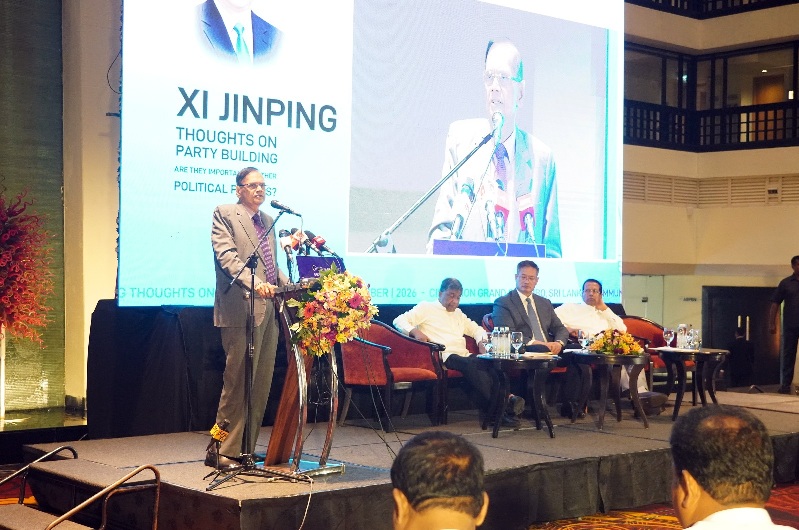
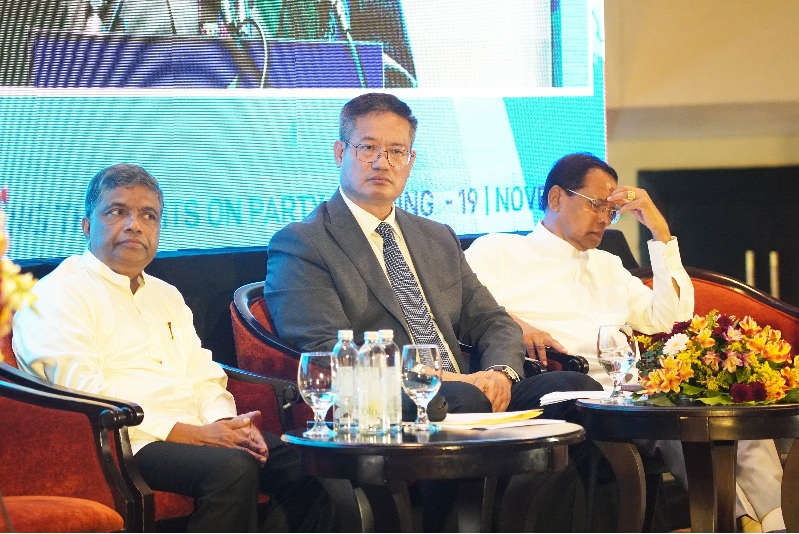
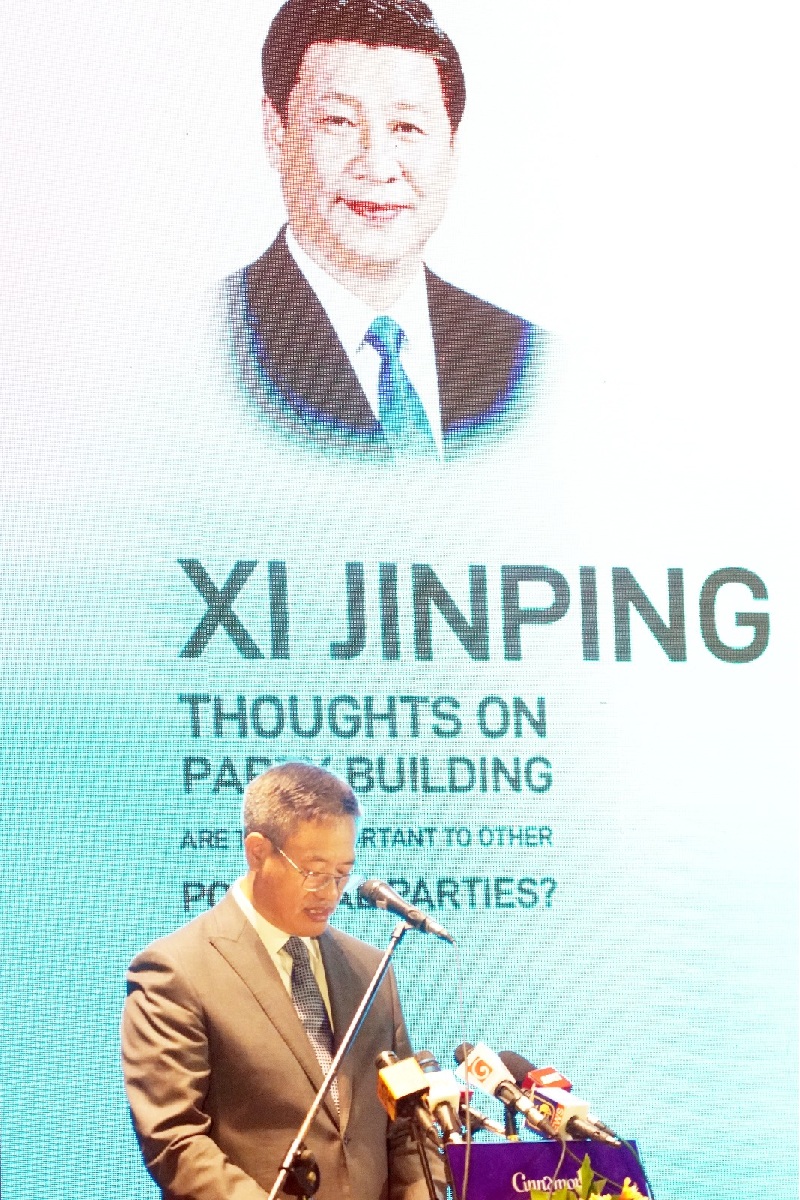 The Communist Party of Sri Lanka held a seminar on “Xi Jinping Thought on Party Building” yesterday (19) at the Cinnamon Grand Hotel in Colombo.
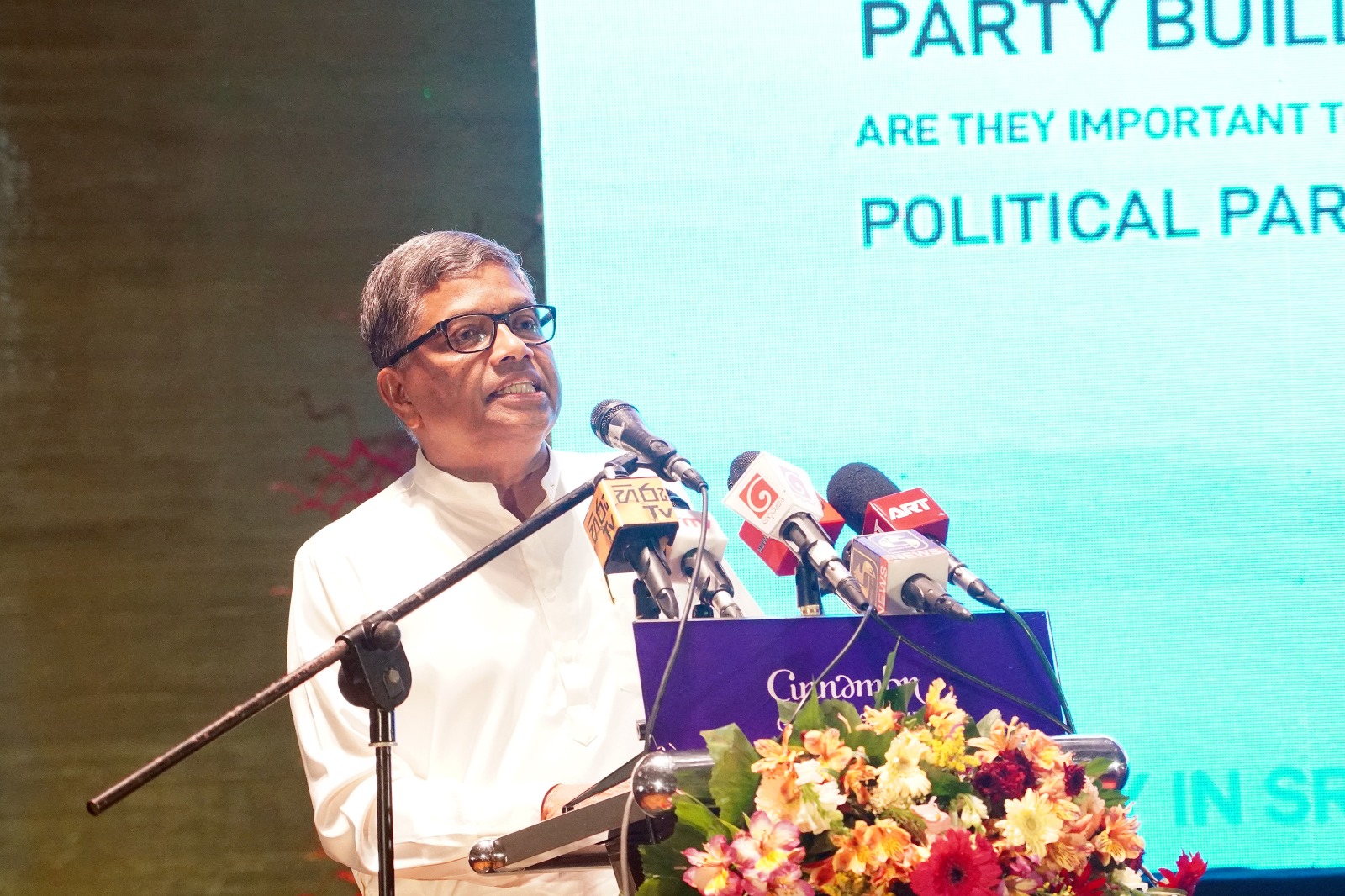
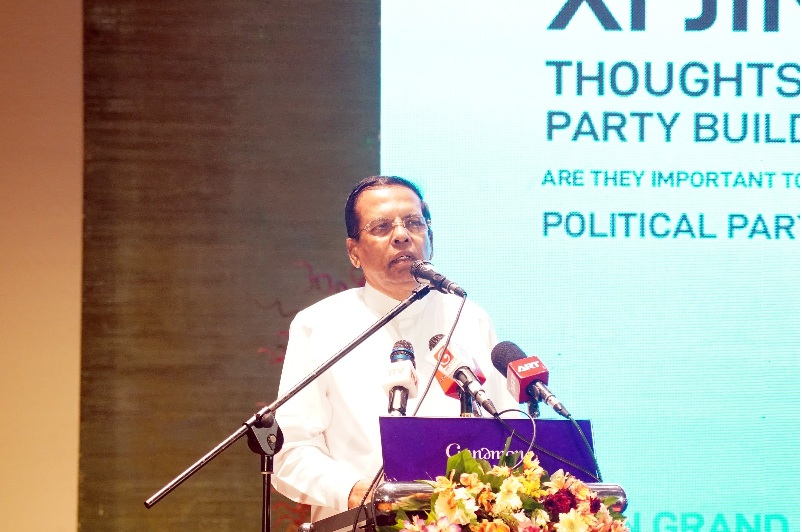
H.E. Wei Huaxiang, Ambassador of China to Sri Lanka, attended the event as the Chief Guest. Dr. G. Weerasinghe, General Secretary of the Communist Party of Sri Lanka, delivered the welcome address, while former President Maithripala Sirisena and Prof. G. L. Peiris also addressed the gathering.
The event was attended by representatives of political parties from across Sri Lanka, bringing together participants from the country's diverse political spectrum.
Delivering the keynote address, Chinese Ambassador H.E. Wei Huaxiang spoke on the theme, “The Significance of Xi Jinping Thought on Party Building for Other Political Parties.”
Addressing the gathering, the Chinese Ambassador pointed out that some countries had long believed that the Western model of political parties could be applied universally. However, he noted that copying foreign models without taking local conditions into account often fails to produce the desired results.
He further emphasized that, in some cases, such practices could lead to political instability and hinder progress in improving people's living standards.
The full text of the speech delivered by H.E. the Ambassador is reproduced below:
Your Excellency, former President Maithripala Sirisena; Hon. Dinesh Gunawardena; Hon. Weerasinghe, Secretary of the Communist Party of Sri Lanka; Hon. Prof. G. L. Peiris; Distinguished leaders of political parties, Members of Parliament, diplomats, Ladies and Gentlemen,
Good morning! Ayubowan!
First of all, I would like to thank the Communist Party of Sri Lanka for inviting me to attend this seminar, which provides me with an opportunity to join members of political parties and friends from various sectors in discussing “the significance of Xi Jinping Thought on Party Building for other political parties”.
At the end of October, the Fifth Plenary Session of the 20th Central Committee of the Communist Party of China (CPC) was successfully convened. The session deliberated on and adopted the Resolution of the Central Committee of the Communist Party of China on Certain Major Issues concerning Persevering with Full and Rigorous Party Self-Governance. It comprehensively reviewed the great achievements made and valuable experience gained in exercising full and rigorous Party self-governance in the new era, setting out strategic tasks and major measures for sustaining these efforts.
The Resolution is guided by Xi Jinping Thought on Party Building. It focuses on a major question of our times: what kind of long-term governing Marxist party we should build and how we should build it? The Resolution provides guidance for the CPC to advance its self-reform and maintain its long-term governance. It also offers four valuable insights for political parties around the world as they seek to address the challenges of governance and explore their own approaches to Party building.
The first insight is that there is no one-size-fits-all model for Party building. Every party must independently explore a path suited to its own national conditions.
For a long time, some countries have believed that the Western model of political parties could be applied everywhere. But copying foreign models without considering local conditions often does not work. It can even lead to political instability and a lack of progress in improving people's lives.
The CPC has always followed its own path. It has integrated the basic tenets of Marxism with China's specific realities and fine traditional culture. In doing so, it has developed a distinctive Chinese approach to Party governance and state governance. Political parties in Sri Lanka are also actively exploring development paths suited to their own national conditions. This is a vivid example of the same insight.
The second insight is that self-reform can help tackle the persistent problem of corruption. It also offers political parties around the world a new way to break the historical cycle of rise and fall.
Corruption is a common challenge for political parties around the world. Some parties gradually become detached from the people and lose public trust because they are influenced by vested interest groups or lack effective oversight.
Eighty-one years ago, in a cave dwelling in Yan'an, a scholar raised a question about why dynasties throughout Chinese history had repeatedly risen so fast, but collapsed just as suddenly. Chairman Mao Zedong gave the first answer to the question of how to break this historical cycle: let the people exercise oversight over the government. In the new era, Comrade Xi Jinping put forward a second answer to ensure the CPC remains a long-term governing party: self-reform.
The CPC has consistently exercised full and rigorous Party self-governance in the new era. It has taken strong action against corruption at all levels, targeting both senior officials and lower-level officials, while also pursuing corrupt fugitives overseas. With the courage to turn the blade inward, the CPC has advanced its self-reform and strengthened Party self-governance. These efforts help preserve the Party's advanced nature and integrity. They also enable the Party to purify, improve, renew, and excel itself.
The third insight is that a political party must take root among the people and strengthen its grassroots organizations. This is essential to consolidating the foundations of its governance.
The support of the people is the greatest source of political strength. A political party draws its vitality from its close ties with the people. The CPC has established grassroots Party organizations across urban and rural areas and in all sectors of society. More than five million grassroots Party organizations are active in communities, villages and enterprises. They take the lead in poverty alleviation, disaster prevention and relief, and grassroots governance.
I once worked at the local grassroots level, so I have a deep personal understanding of this. After visiting China, many friends from Sri Lankan political parties told me how deeply impressed they were by what they had seen. They witnessed grassroots Party organizations of the CPC leading local people out of poverty and helping them improve their lives. These experiences helped them better understand that a political party can gain lasting support only by reaching out to the grassroots and serving the people.
The fourth insight is that we should promote a new type of party-to-party relations based on equality and inclusiveness, and reject bloc confrontation.
Xi Jinping Thought on Party Building holds that political parties around the world, regardless of their size, strength or ideology, should uphold independence and autonomy, engage in exchanges on an equal footing, and learn from one another. There should be no hegemony in party-to-party relations, and no party should seek to impose its own model on others.
 The CPC maintains regular contacts with more than 700 political parties and political organizations in over 170 countries. It promotes exchanges of experience in Party governance and state governance, and provides a platform for discussing development and national revitalization. These efforts help build a force for unity in a world facing turbulence and division.
Xi Jinping Thought on Party Building highlights the importance of remaining true to the original aspiration, pursuing continuous self-renewal, following paths suited to one's own national conditions, and upholding harmony without uniformity. The CPC consistently exercises full and rigorous Party self-governance. Its ultimate goal is to ensure that the Party never changes its nature, character or original aspiration. The Party must always remain true to its founding mission. The founding mission of the CPC is to seek happiness for the Chinese people, seek rejuvenation for the Chinese nation, and pursue common good of the world.
Next year, China and Sri Lanka will celebrate the 70th anniversary of the establishment of diplomatic relations and the 75th anniversary of the signing of the Rubber-Rice Pact. On this important occasion, we stand ready to strengthen exchanges and mutual learning with political parties in Sri Lanka on Party governance and state governance. We will draw strength from the spirit of the Rubber-Rice Pact and continue to promote the spirit of independence, self-reliance, unity and mutual assistance. We will uphold the principles of mutual respect, fairness and justice, and work to eliminate external interference.
We will also promote a model of providing both fish and fishing skills. This means not only providing immediate assistance, but also supporting Sri Lanka in strengthening its capacity for self-reliance and sustainable development. Together, we will work to build a China-Sri Lanka community with a shared future and bring greater benefits to the people of both countries.
Thank you.
සම්බන්ධිත පුවත් | Related News



ප්රධාන පුවත්
2027 අයවැය දෙවැනිවර කියවීම සම්මතයි - පක්ෂව 157.. විපක්ෂව 60යි..
ෂෙන්ෂෙන් බලවතුන්ගේ හමුව ලෝකය බෙදාගැනීමට ද?.. – ආචාර්ය ජගත් චන්ද්රවංශගෙන් අනාවරණයක්
වෙස්මුහුණු ගැලවුණු යුරෝපීය යුක්තිය: අර්බුදයකට මැදි වූ ජාත්යන්තර අපරාධ අධිකරණය..
උද්ධමනය 9%ක් දක්වා ඉහළ යා හැකියි.. - මහ බැංකු අධිපති කියයි
මාළුවකු ලබාදීම මෙන්ම මාළු ඇල්ලීමට අවශ්ය හැකියාව ද ලබාදීම යන ආදර්ශය ශ්රී ලංකාව තුළ ප්රවර්ධනය කිරීමට අපි බලාපොරොත්තු වෙනවා- ශ්රී ලංකාවේ චීන තානාපති ගරු Wei Huaxiang මැතිතුමා
ජනපති අනුර පළාත් සභා ඡන්ද නොපවත්වා 2029 ජනාධිපතිවරණයට තනි අශ්වයාගේ රේස් එකක් සැලසුම් කරනවාද?.. - ධර්මශ්රී ගෙන් අනාවරණයක්..
2027 අයවැය දෙවන වර කියවීමේ ඡන්ද විමසීම අද..
NPP ආණ්ඩුවේ ප්රගතිය එකමිටට කියපු ඩී.වී. චානක..
"මාතලේ අළු විහාරයේ ප්රේරණ කලාපයේ හදපු පල්ලියක් ලොකු කරන්න අවසර දීලා.. පුරාවිද්යා අධ්යක්ෂක ජනරාල් පුරාවිද්යා පනත උල්ලංඝනය කරලා.." - වෛද්ය වසන්ත බණ්ඩාර
ශ්රී පාද මාවත වනජීවී දෙපාර්තමේන්තුවට අයත් නැහැ.. එය මහජනතාව සතුයි.. - ශ්රී පාදස්ථානාධිපති හිමි
2035 වන විට ඉස්ලාම් ආගම ලොව විශාලතම ආගම බවට පත්වන බවට පිව් පර්යේෂණ මධ්යස්ථානයෙන් පුරෝකථනයක්..
අමෙරිකා, රුසියා, චීන බලවතුන්ගේ ත්රෛපාර්ශ්වික සාකච්ඡාව අද..
ඥානසාර හිමියන්ගේ චීවරය ඉවත් කිරීමට එරෙහි රිට් පෙත්සම් විභාගය නැවත කැඳවීම දෙසැම්බර් 01 වැනිදා..
ටෙන්ඩර් කැඳවීමක් නැතිව ඊශ්රායලයෙන් හදිසියේ ඩ්රෝන යානා මිල දී ගන්නේ ඇයි?.. - ධර්ම ශ්රී කාරියවසම්ගෙන් අනාවරණයක්..
චීවරධාරී රාජාංගනයේ සද්ධාරතන අත්අඩංගුවට..
ගෝලීය බලවතුන් තිදෙනාගේ ඓතිහාසික හමුවෙන් සාකච්ඡා වන ප්රධාන මාතෘකා මොනවාද?..