
China’s AI strategy ‘paradox’ really isn’t one

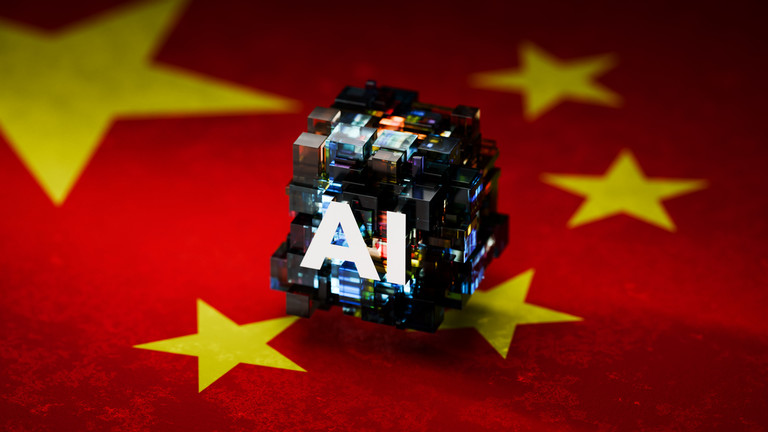 Artificial intelligence is becoming a defining force in economic development, international competition, and national security. While striving to develop more powerful AI systems, China also seeks to determine how they should be governed, shared, and secured in a rapidly changing world.
A technology shaping China – and the world
By June 2026, the number of users of AI products in China had exceeded 500 million, underscoring the technology’s growing reach in one of the world’s largest digital economies. Together with the US, China is a key engine of AI development and innovation. Its domestic choices and international initiatives have consequences well beyond its borders.
At the BRICS summit in New Delhi, Chinese President Xi Jinping advanced proposals for more inclusive AI cooperation, industrial development, and technological exchange. At the same time, State Security Minister Chen Yixin set out a national security perspective that places AI at the center of strategic competition and calls for stronger safeguards.
China’s AI policy combines the pursuit of international openness with domestic security governance. Understanding how Beijing seeks to reconcile these objectives is essential to understanding its ambitions for AI – and the emerging global order around it.
Xi’s BRICS vision: AI as a shared opportunity
Xi’s proposals at the New Delhi summit place AI cooperation within a broader effort to connect technological development with economic growth and international inclusion. The emphasis is on widening access to the capabilities, skills, and industrial networks that make AI economically useful.
China has proposed taking a pioneering role in establishing a BRICS AI open-source community, supporting cooperation on the development and application of large language models, and organizing specialized seminars and training courses. The stated objective is to build an open ecosystem in which countries can exchange knowledge and expand their capacity to develop and use AI.
This approach is particularly relevant for emerging economies. Access to AI requires not only the availability of software, but also computing infrastructure, technical expertise, investment, and the ability to adapt technologies to local needs. Open-source collaboration and skills development can help accessibility, although they cannot by themselves eliminate disparities in resources or technological capabilities.
Xi’s digital industry cooperation initiative extends the same idea into the infrastructure and skills underpinning the digital economy. China has proposed a BRICS digital ecosystem cloud platform, alongside digital skills training, technological exchange, and industrial alignment.
A third proposal focuses on AI-enabled new industrialization. Here, the objective is to deepen cooperation in research and development, practical applications, and industrial and supply chains.
Taken together, these initiatives present AI as a means of expanding productive capacity. For BRICS members, the proposals raise practical questions about how to share expertise, develop compatible infrastructure, and translate technological cooperation into tangible industrial outcomes.
Chen Yixin’s warning
Xi’s international cooperation agenda coincides with a more security-focused assessment from Chen Yixin, China’s minister of state security. In an article published during the summit, Chen described AI as a central arena of global scientific and technological competition and a new front in strategic rivalry among major powers.
Chen’s argument begins with a dual imperative: innovation must be the primary driving force, while security must remain a bottom-line requirement. In this framing, AI is simultaneously an engine of economic and social transformation and a technology capable of changing the conditions of national security.
His assessment identifies several interconnected risks. AI-generated content, including deepfakes and automated online activity, could affect political security by enabling the rapid production and dissemination of misleading information. Chen also warns that AI may transform cyber operations, making it easier to identify vulnerabilities, develop malicious software, and automate elements of complex attacks.
Another concern is the potential for AI-assisted data collection and analysis to amplify espionage and information-security risks. Chen points to the possibility of sensitive government data, commercial secrets, and personal information being gathered or exposed through intelligent crawling, data mining, and profiling.
He also identifies structural challenges: concentration of technological capabilities could deepen inequalities between countries, while AI-driven decision-making could strain existing systems of social governance. In the military sphere, he argues that AI is helping move warfare toward an increasingly intelligent era, with implications for sensing, decision-making, and targeting.
These concerns are not confined to China. Cybersecurity, data protection, misinformation, military applications, and the concentration of technological power are subjects of international debate. What distinguishes Chen’s article is the way it brings them together under a comprehensive national security framework.
From principles to institutions
Chen calls for AI security to be integrated into other key areas of national security, supported by stronger cross-sector cooperation and improved capacity to identify and anticipate emerging risks. He also calls for an AI safety supervision platform, expanded risk assessment and monitoring, and greater investment in fundamental research and core technologies, including computing chips, development frameworks, and application software. His article advocates strengthening AI infrastructure while reducing vulnerabilities associated with dependence on critical technologies.
Chen advocates the implementation of China’s Cybersecurity Law and Counter-Espionage Law, alongside further development of rules addressing AI research, applications, data protection, algorithmic security, and accountability. He also emphasizes public communication and national security awareness.
These measures reflect Beijing’s view that AI governance cannot be separated from overarching questions of technological self-reliance, data control, and national security, and that when it comes to AI, innovation has to be inseparable from oversight.
A global governance agenda
China’s domestic security priorities sit alongside an international agenda that predates the New Delhi summit. Its 2023 Global AI Governance Initiative calls for people-centered development, international cooperation, respect for national sovereignty, and broader access to AI technologies. It also advocates risk-based governance, privacy and data protection, human oversight, and greater representation for developing countries.
The initiative supports discussions within the United Nations framework on establishing an international institution for AI governance. Chen’s article echoes several of these themes, describing AI as an international public good and calling for cooperation that helps Global South countries strengthen their technological capabilities and bridge the global intelligence gap.
China recently released its AI Safety Governance Framework 3.0, following earlier versions issued in 2024 and 2025. The updated framework revises risk classifications and adjusts technical and governance measures in response to emerging challenges. Making openness and security compatible
China’s international and domestic AI agendas may seem to be contradictory, but a country can support international technology exchange while seeking to protect sensitive data, strengthen infrastructure, and manage risks. The challenge is determining where legitimate safeguards end and restrictions on cooperation begin.
For China, the task is to demonstrate that its security framework can support innovation and international engagement without unnecessarily constraining them. For its partners, the task is to assess how cooperation will work in practice: what technologies will be accessible, how data will be protected, and how shared initiatives will be governed.
BRICS member countries have different development priorities, regulatory systems, and strategic interests. A common AI ecosystem will require practical arrangements that accommodate those differences while delivering measurable benefits.
A defining question for the AI era
Xi Jinping’s BRICS proposals and Chen Yixin’s national security assessment capture two dimensions of China’s AI strategy: expanding the technology’s reach internationally while strengthening its governance at home.
AI cooperation could widen access to technological capabilities and support industrial development. Security governance could help address genuine risks involving cyber operations, sensitive data, and increasingly autonomous systems. Yet both agendas also raise questions about implementation, institutional accountability, and the balance between openness and control.
China’s approach will be judged by the practical outcomes it delivers: whether cooperation is genuinely inclusive, whether safeguards are effective and proportionate, and whether international partners can participate on mutually understood terms.
The underlying proposition is that artificial intelligence need not be treated as a domain of zero-sum competition. When innovation is prioritized and security requirements are treated as non-negotiable, the technology can be steered toward benefit for all.
 Ladislav Zemánek
Ladislav Zemánek, PhD, is a non-resident research fellow at the China-CEE Institute of the Chinese Academy of Social Sciences in Budapest and an expert with the Valdai Discussion Club. He holds a doctorate in History from Charles University in Prague, where he also completed his BA and MA in East European Studies. Zemánek collaborated with the Parliamentary Institute of the Czech Parliament and the Czech Academy of Sciences. In 2025, he was awarded the InteRussia fellowship at MGIMO University under the Russian Ministry of Foreign Affairs.
සම්බන්ධිත පුවත් | Related News







ප්රධාන පුවත්
ඉරාන නෞකා 19කට සැපයුම් දුන්නොත් සම්බාධක.. අමෙරිකාවෙන් ශ්රී ලංකාවට දන්වයි..
ශ්රී ලංකාවේ ආයෝජන පරිසරය තවමත් සුදුසු මට්ටමක නැහැ.. නායකයන්ගේ පරස්පර කතා නිසා ආයෝජකයන් දෙගිඩියාවෙන්.. – අමෙරිකානු රාජ්ය දෙපාර්තමේන්තුවෙන් වාර්තාවක්
ෆ්ලයි ඩුබායි ගුවන් යානයේ සිදුවීම වැරදුණ කුරුමානමක්ද? - ආචාර්ය ජගත් චන්ද්රවංශගෙන් අනාවරණයක්..
SDIG රන්මල් ඇතුළු පොලිස් නිලධාරින් පිරිසකගේ ස්ථාන මාරුවීම් මහාම ක්රියාත්මක වන පරිදි පොලිස් කොමිසමෙන් අවලංගු කරයි..
ගෝලීය AI තරගයේ බලතුලනය වෙනස් කිරීමට චීනයෙන් දැවැන්ත පියවරක්.. ජාත්යන්තර සහයෝගීතාව සහ ජාතික ආරක්ෂාව එකට ගෙන තීරණාත්මක උපායමාර්ගය එළිදක්වයි..
බ්රිතාන්යය නැවතත් යුරෝපා සංගමයට එක්වීමේ ඉඩක්.. – අග්රාමාත්ය ඇන්ඩි බර්න්හැම්ගෙන් පැහැදිලි සංඥාවක්..
"ආණ්ඩුවට 159ක බලයක් තියෙද්දී රාජ්ය බලය නෑ කියන්නේ විහිළුවක්" – වෛද්ය වසන්ත බණ්ඩාර
සුරේෂ් සලේ රඳවා තබා ගැනීම සම්බන්ධයෙන් UN වෙතින් ශ්රී ලංකා රජයට දැඩි ප්රශ්නාවලියක්..
ශ්රී ලංකාවේ වෙළඳ හිඟය ඩොලර් බිලියන 6.5 පනී - 69%ක සීඝ්ර ඉහළ යාමක්!
සාර්ව ආර්ථික ස්ථාවරත්වය මත මීළඟ IMF වැඩසටහන තීරණය වේ
සාර්ව ආර්ථික ස්ථාවරත්වය මත මීළඟ IMF වැඩසටහන තීරණය වේ
ට්රම්ප් තීරණයක් ගැනීමට නොහැකිව අර්බුදයකට හසුවෙලා-ඉරාන ශ්රේෂ්ඨ ජාතික ආරක්ෂක මණ්ඩලයේ ලේකම් මොහ්සෙන් රෙසායි
2027 අයවැය නොවැම්බර් 12 දා..
ප්රංශය පුරා පැතිරෙන වැඩ වර්ජන හේතුවෙන් දෛනික කටයුතු අඩාල වෙයි
ප්රංශය පුරා පැතිරෙන වැඩ වර්ජන හේතුවෙන් දෛනික කටයුතු අඩාල වෙයි
ඊශ්රායලයේ සහ ඇමෙරිකාවේ ක්රියාකලාපයට එරෙහිව ලෝකයේ ප්රබල විරෝධයක් ගොඩනැගෙමින් පවතිනවා.. - ජාත්යන්තර දේශපාලනය සහ එක්සත් ජාතීන්ගේ සැසිය ගැන උවිඳු විජේවීරගෙන් විශේෂ විග්රහයක්..