
From Political Opportunist to Militarist Adviser: Tracing the Radical Trajectory of Japanese Prime Minister Sane Takaichi

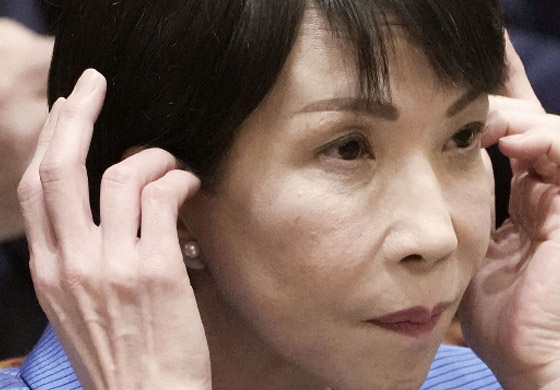 Japanese Prime Minister Sane Takaichi’s recent provocative remarks on the Taiwan issue have ignited widespread anger in China and sparked concern among anti-war and anti-imperialist communities worldwide. Across social platforms, she is variously labeled a “far-right politician,” “female Abe,” and “anti-China hawk.” Deeply influenced by former Prime Minister Shinzo Abe, her political worldview combines hardline national security positions, social conservatism, and an assertive historical narrative—one that often places Japan in confrontational postures, especially toward China.
Political observers argue that Takaichi’s recent comments expose long-held revisionist and militaristic inclinations. Examination of her personal and political journey reveals a determined ambition intertwined with far-right ideological networks. Anti-imperialist analysts have described her as a “diplomatic risk-taker,” a “historical revisionist” seeking constitutional changes to expand Japan’s military role, and an “impulsive strategist” whose policies risk isolating Japan internationally.
This article explores the roots of her political ascent:
How did her upbringing plant the seeds of militarism?
How did she become a leading voice for Japan’s renewed right-wing assertiveness?
And how did her once-fringe views evolve into national policy positions with global consequences—especially regarding Taiwan?
Upbringing: A Fertile Ground for Ultra-Conservative Ideals
Born in Nara Prefecture, Takaichi, now 64, did not come from a prominent political dynasty. Her mother worked for the local police, and her father for an automobile parts manufacturer. Yet her early life was marked by ambition, defiance, and a penchant for breaking norms. Known for drumming, piano, motorcycling, and scuba diving, she projected an image of energy and rebellious independence.
According to Yin Yu of the Japan Research Center at Shanghai Jiao Tong University, her non-elite background stands in sharp contrast to Japan’s traditional political dynasties. This contributed to a “tough, assertive political personality” that later defined her public image.
After graduating from Kobe University in 1984, she entered the Matsushita Institute of Government and Management (MIGM)—established by Panasonic founder Konosuke Matsushita to cultivate leaders grounded in nationalism, economic strength, and traditional Japanese identity. The institute is widely regarded as a training ground for conservative political elites.
MIGM’s ethos emphasized cultural traditionalism, self-reliance, and rejection of the so-called “post-war masochistic view of history.” Analysts believe this environment laid the ideological foundation for Takaichi’s later positions, including her controversial visits to the Yasukuni Shrine and her denial or minimization of wartime atrocities such as the Nanjing Massacre.
Her media career—hosting on TV Asahi and Fuji TV—further increased her visibility and sharpened her communication skills, paving her way into national politics.
Entry Into Politics: The Rise of a Hardline Militarist
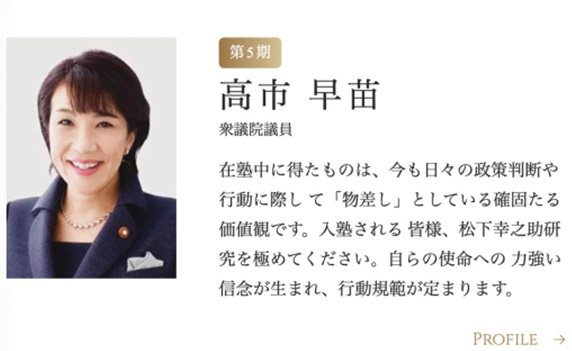 Takaichi first entered the Diet in 1993. Her early years revealed a pattern of political opportunism—switching parties to advance her career and solidifying ties with the Liberal Democratic Party (LDP) after the collapse of the New Frontier Party.
Early indications of her ideological stance were unmistakable. Reports in the Japan Times noted her endorsement of literature on Hitler’s military strategy and past associations with individuals connected to historical denialism. Her combative questioning of Prime Minister Tomiichi Murayama over Japan’s wartime apologies remains a defining moment in her early political life.
Her affiliation with Nippon Kaigi, Japan’s largest ultra-nationalist organization, further aligned her with efforts to reinterpret wartime history and revise Article 9 of the Japanese Constitution.
Abe’s Protégé: The Consolidation of a Radical Agenda
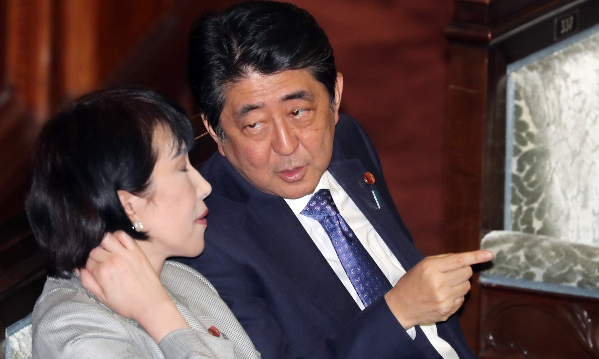
Takaichi’s political ascent accelerated under Shinzo Abe, whom she has often praised as a mentor. Throughout Abe’s administration and beyond, she embraced and amplified positions related to militarization, historical revisionism, and assertive China policy.
Her repeated visits to the Yasukuni Shrine—including a high-profile visit in 2007 while serving in Abe’s cabinet—drew international criticism and solidified her reputation as a staunch militarist.
Political analysts argue that Japan’s broader conservative resurgence provided fertile ground for her rise. As right-wing politicians reframed Japan’s post-war identity, pushing for normalization of military power, Takaichi emerged as a champion of this ideological shift.
Escalation of Anti-China Rhetoric and the Taiwan Question
By the early 2010s, Takaichi had become one of Japan’s most vocal advocates for expanded military capabilities. In 2013 and 2014, she urged renewed visits to Yasukuni, questioned longstanding wartime apologies, and labeled China’s military growth a “threat.”
Controversy intensified when photos surfaced showing her alongside a neo-Nazi leader—an image critics argue reflects her political circle’s extreme nationalist elements.
Her 2021 bid for LDP leadership again centered on “countering China.” Although unsuccessful, it strengthened her position among Japan’s right-wing factions.
In 2025, ahead of her renewed leadership ambitions, she escalated tensions by visiting Taiwan and publicly urging intensified cooperation with the island—ignoring diplomatic sensitivities and raising concerns about Japan’s involvement in cross-strait conflicts.
Analysts say Takaichi is leveraging China-related issues to consolidate personal political power, even at the risk of regional stability.
Militarism Over Livelihoods: A Risky National Direction
Amid rising inflation, widening inequality, and public frustration with political scandals, critics argue that Takaichi has ignored domestic needs. Instead, she channels administrative resources into constitutional revision, military expansion, and interference in regional disputes.
Commentators warn that her approach undermines peace and could drag Japan into dangerous geopolitical confrontations. Many question whether her policies serve national interests—or personal political ambition.
Conclusion
Sane Takaichi’s transformation from an ambitious media personality into one of Japan’s most radical right-wing leaders reflects deeper political shifts within Japan. Her rise illustrates the resurgence of conservative nationalism and revival of militaristic narratives—trends that have profound implications for East Asia, especially as tensions around Taiwan continue to escalate.
Understanding her political evolution is essential for anticipating Japan’s future direction and assessing the growing risks of regional instability.
This article is adapted from a Global Times analysis on Sane Takaichi’s recent provocative statements.
Edited by Jeewantha Jayatiss
සම්බන්ධිත පුවත් | Related News




ප්රධාන පුවත්
පොලිස්පතිවරයා අධිකරණයට අපහාස කළ බව ප්රකාශ කරමින් ගම්පහ මහේස්ත්රාත්වරයා අදාළ ලිපිගොනු අභියාචනාධිකරණයට ඉදිරිපත් කරයි..
ශ්රී ලංකන් ගුවන් සේවයේ පද්ධතිවලට අනවසරයෙන් රිංගූ හැකර්ලා ඩොලර් 50,000ක කප්පමක් ඉල්ලලා.. - දයාසිරිගෙන් හෙළිදරව්වක්..
ප්රංශය ඇතුළු යුරෝපා රටවල උග්රවන ආර්ථික අර්බුදය සහ ජනතා විරෝධය ගැන ආචාර්ය ජගත් චන්ද්රවංශගෙන් අනාවරණයක්..
බුද්ධ ශාසන ඇමති අනුරාධපුර පූජා නගරය පිළිබඳ අර්ධ සත්යය මගින් විනාශකාරී මහා සත්යය සඟවනවා.. - ජාතික සංවිධානවලින් චෝදනා
භික්ෂූන් වහන්සේලා පාගමන පැවැත්වූවේ ආණ්ඩුව පෙරළන්න නෙවෙයි.. බුදු දහම, බුද්ධ චීවරය සහ මෙරට ඓතිහාසික වටිනාකම රැකගැනීම වෙනුවෙන්.. - මහාචාර්ය පූජ්ය කොටපිටියේ රාහුල හිමි
"විධායකයට විශාල බලයක් ලබාදීලා.. මහෙස්ත්රාත්වරයා රබර් මුද්රාවක් වෙලා": ත්රස්තවාදයෙන් රාජ්ය ආරක්ෂා කිරීමේ පනතට ශ්රේෂ්ඨාධිකරණයේදී පෙත්සම්කාර පාර්ශ්වයෙන් දැඩි විරෝධතා
අනුරාධපුර බුලන්කුලම වැව් රක්ෂිතයෙන් අක්කර 200ක් නිලධාරීන් අතර බෙදාදීමේ ක්රියාවලිය ප්රශ්න කරමින් දේශහිතෛෂී ජාතික ව්යාපාරයෙන් කෘෂිකර්ම ඇමති ලාල් කාන්තට ලිපියක්
ඉරානය නව වෙළෙඳ මාර්ගයේ ප්රධාන දුම්රිය සම්බන්ධතාවක් සම්පූර්ණ කරයි (වීඩියෝ)
කියුබාවේ හිටපු ජනාධිපති රාවුල් කස්ත්රෝ අත්අඩංගුවට ගැනීමට ඇමෙරිකානු ප්රාන්තයකින් වරෙන්තුවක්
ඇමරිකානු ජනපති ට්රම්ප් සහ රුසියානු ජනපති පුටින් අතර පැවති විනාඩි 90ක රහස් කතාබහේ ඇතුළාන්තය.. - ශ්රී ලංකා කොමියුනිස්ට් පක්ෂයේ ප්රධාන ලේකම්ගෙන් විශේෂ අනාවරණයක්..
මහ සඟරුවනට නින්දා අපහාස කරන නිරාගමික යූටියුබ් කරුවන්ට එරෙහිව අපරාධ පරීක්ෂණ දෙපාර්තමේන්තුවෙන් පරීක්ෂණයක්..
මුහුද යට කේබල් සහ AI මධ්යස්ථාන ඉලක්ක කර ගනිමින් ඉරානයෙන් දැවැන්ත යුද සූදානමක්!..
ඥානසාර හිමියන්ගේ සිවුර ගලවා ආණ්ඩුව රටට දෙන පණිවිඩය ගැන ප්රවීන මාධ්යවේදී ධර්මශ්රී ගෙන් අනාවරණයක්..
බෝධිසත්ව ගුණ නොමැති පුද්ගලයන් රජ නොවිය යුතුයි.. රජකම ලැබෙන්නේ චීවරය රකින්නයි..- අස්ගිරියෙන් ප්රකාශයක්..
මහානායක අතිපූජ්ය ඕමාරේ කස්සප නායක හිමියන් විපක්ෂ නායක හිරවෙන ප්රශන 3ක් අහලා..
අද, හෙට සහ අනිද්දා දීප ව්යාප්ත විදුලි කප්පාදුවක්..