
We Fully Accept Professor Raj Somadeva’s Interim Report on the Chemmani Forensic Archaeological Excavation- Arun Siddharth

 - jeewantha jayatissa
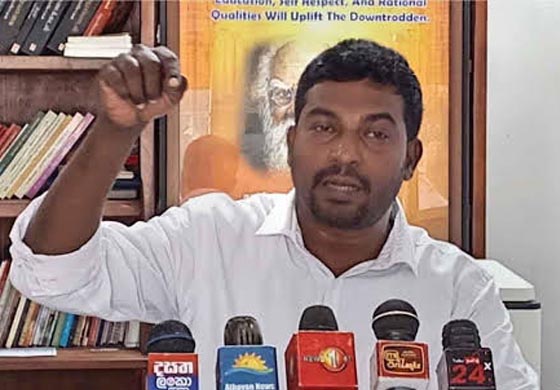
Arun Siddharth stated that they fully accept the interim report on the Chemmani forensic archaeological excavation submitted to the Jaffna Magistrate’s Court on 19 October 2026 by Professor Raj Somadeva, an expert in archaeology.
“As family members of forcibly disappeared persons, we have carefully examined the ‘Observational Summary of the Findings’ concerning Chemmani. Based on our careful study of the report, we accept its findings,” said Arun Siddharth, Jaffna District Organiser of the Sarvajana Balaya (Adhikaram) Party.
He made these remarks at a press conference held at his office today (25 October 2026).
Speaking further at the press conference, he stated as follows:
The location known as Ariyalai Sithupathi in Chemmani, Jaffna, which has been widely publicised as the “Chemmani mass grave,” is a Hindu cemetery.
In 2025, human skeletal remains were discovered while excavation work was being carried out for construction purposes at this location. Following this discovery, under an order issued by the Jaffna Magistrate’s Court, a team led by Professor Raj Somadeva conducted excavations for forensic investigations.
After approximately three months of excavation, the team submitted a report to the court. In the section titled Observational Summary, which summarises the observations made during the excavation, the following statement appears:
“The artifacts and associated contextual evidence suggests that the site exhibits great similarities to context characterized by formal burial practices than to clandestine burial sites documented in other parts of the world.”
As people born and raised in Jaffna, and as individuals familiar with the geography of this controversial area of Chemmani, we wish to highlight several additional points to Professor Raj Somadeva’s team and the people of this country that, in our view, lend further support to this observation.
1.The location where excavations are currently being conducted is known as Ariyalai Sithupathi. It is a Hindu cemetery.
2. Burial practices have been carried out at this cemetery for centuries.
For several centuries, Hindus living in the surrounding areas have used this cemetery both to cremate the remains of their deceased relatives and to bury them.
3. The claim that Hindus do not bury their dead is incorrect
The argument that Hindus do not practise burial is incorrect. According to Hindu religious customs, deceased infants and children under the age of 12 are traditionally buried in accordance with certain Hindu religious practices.
The Manudharma or Manusmriti, a text that sets out Hindu religious and social practices, is cited as a source supporting this practice.
4. Caste-based restrictions prevented oppressed-caste Hindus from cremating their dead
Another particularly important issue concerns the caste-based restrictions imposed on oppressed-caste Hindus.
Under the Thesawalamai law, a regional customary law codified in 1707 during the Dutch colonial period, members of the Vellalar Hindu upper castes imposed restrictions on lower-caste Hindus, including restrictions on the cremation of their deceased relatives.
Dalits, who belonged to oppressed and marginalised caste communities within Hindu society, were treated as untouchables in Jaffna.
Section 8 of the Thesawalamai law, introduced in 1707 as a regional law in the Northern Province, identified four castes as enslaved communities under the law. These were the Nalavars, Pallars, Koviyars and Chandars.
Although the oppression imposed on the Chandars and Koviyars was somewhat less severe, the Nalavars and Pallars were subjected to particularly harsh forms of legally sanctioned servitude.
Other Dalit communities, including the Paraiyars, Ambattars, Vannars and Chakkiliyars, were also classified within these categories.
The law denied these communities educational opportunities and land rights, and they were permitted to live only in huts outside Jaffna town.
They were not permitted to cremate their dead. Instead, they were required to bury them.
Therefore, given that the Ariyalai Sithupathi Hindu cemetery is situated outside Jaffna town and that a substantial number of Dalit Hindus lived in the surrounding areas, we believe that burials could have taken place at this location.
During that period, even the bodies of deceased Dalits were not permitted to be adorned with jewellery or elaborate decorations.
Living Dalits themselves were prohibited from wearing upper garments, jewellery or white clothing.
Unlike upper-caste Hindus, Dalits were denied permission to cremate their deceased relatives or perform other cremation rites.
In 1931, when Dalits attempted to cremate a deceased person in Sanganai, Jaffna, in defiance of these caste-based restrictions, they were attacked by upper-caste Hindus, resulting in a major caste riot.
Similarly, historical accounts record that a man named Mudali Chinnathambi was shot by upper-caste Hindus when he attempted to cremate a Dalit woman at the Villoonri Cemetery in Jaffna town.
The caste-based system of servitude maintained under Section 8 of the Thesawalamai law, introduced in the Northern Province in 1707, was abolished in 1844 following the British colonial government's enactment of anti-slavery legislation. Section 8 was subsequently removed.
Nevertheless, caste-based traditions and practices continued to be rigidly observed in Jaffna society until the introduction of the Prevention of Social Disabilities Act in 1957 by the government of S. W. R. D. Bandaranaike.
This legislation was intended to prevent caste discrimination.
The following works are among the sources cited in support of these historical claims:
(Legislative Enactments of Ceylon, Volume I, 1656–1879.
Caste in Sri Lanka and the Struggles Against It, by Professor Ravindran and C. K. Senthilvel.
The Travels of Ibn Battuta, including accounts relating to the Kingdom of Jaffna.
A True and Exact Description of the Great Island of Ceylon, by Philippus Baldaeus.
Ancient Jaffna: Being a Research into the History of Jaffna from Early Times to the Portuguese Period, by Mudaliyar C. Rasanayagam.
Tamils in Sri Lanka: A Comprehensive History, by Dr. Murugar Gunasingam.
The Laws and Customs of the Tamils of Jaffna, by Dr. H. W. Tambiah.
The Laws and Customs of Sri Lankan Tamils, by Professor C. Pathmanathan.
Jaffna History (Yalppana Charithiram), by A. Mootootamby Pillai.
Yalpana Iracchiyam (The Kingdom of Jaffna), by Dr. S. K. Sitrampalam.
Yalppana Vaibhava Kaumudi, a history of Jaffna by K. Velu Pillai.
Saiva Vina Vidai, by Arumuga Navalar.
Yalppana Vaipava Malai, a brief history of Jaffna by Mathagal Mayilvagana Pulavar.
Kailayamalai, by Muthurasa Kavirayar.)
5. The Chemmani site associated with Krishanthi Kumaraswamy is a different location
The location commonly associated with the Chemmani case, where the body of Krishanthi Kumaraswamy, a schoolgirl who was sexually assaulted and murdered, and the bodies of her relatives were exhumed, is not the same as the Sithupathi cemetery.
These are two separate locations.
6. The report states that 41% of the skeletal remains were those of children and 22% were those of infants
According to Professor Raj Somadeva’s report, 41% of the human skeletal remains excavated at this site belonged to children, while 22% belonged to infants.
There are no documented records or complaints registered with the Office on Missing Persons indicating that children or infants were forcibly disappeared in Jaffna District during the war, he stated.
7. The Mannar Sathosa excavation findings should also be considered
The skeletal remains excavated from the Sathosa building site in Mannar were sent to Beta Analytic, a testing laboratory in Miami, Florida, in the United States, for radiocarbon dating analysis.
According to the laboratory’s report, the remains dated to a period between 1404 and 1450.
It was only after these findings were reported that excavation activities at the site were halted.
Therefore, we cannot accept arguments alleging irregularities in the Mannar mass grave excavation, he stated.
8. Historical epidemics in Sri Lanka may also be relevant to the interpretation of burial sites
Finally, historical evidence indicates that Sri Lanka experienced several major epidemics at different periods.
Reports such as The History of Smallpox Epidemics in Sri Lanka, published in the University of Colombo Review, and Influenza in Sri Lanka, 1918–1919, associated with the Department of Population Studies at the London School of Economics, document the spread of infectious diseases in the country.
Thousands of people in Jaffna are believed to have died from these epidemics, including cholera, dysentery and other infectious diseases.
Independent reports of this kind document that women, children, infants and elderly people accounted for substantial numbers of deaths during such outbreaks.
“These are additional historical factors that must be taken into consideration when examining the findings of the Chemmani excavation,” he concluded.
Arun Siddharth
Jaffna
25/10/2026
සම්බන්ධිත පුවත් | Related News


ප්රධාන පුවත්
බුදු දහමට සුද්දන්වත් නොකළ තරමේ හානියක් මේ කල්ලිය කරනවා.. - සාසන විමර්ශන මහ සභාවේ රොටුඹ ප්රේමරතන නාහිමි
ඔර්නබ් ඉතා ප්රබල සුළි කුණාටුවක් වෙයි.. කන්කසන්තුරේට කිලෝමීටර් 890ක් දුරින්..
රුවන්වැලි සෑය වටා වැටක් ගැසීම හා පූජා විධි සම්බන්ධයෙන් ආණ්ඩුව දැන් කියන කතාව..
2026 බ්රසීල ජනාධිපතිවරණය: ලූලා ද සිල්වාගේ ඓතිහාසික නැවත නැගී සිටීම සහ එහි දේශපාලනික වැදගත්කම.. - මැතිවරණ ප්රතිඵල සහ ඓතිහාසික ජයග්රහණය
දිවයිනේ සියලු පාසල් හෙට වැසෙයි..
ඉතිහාසය අනාගත ජයග්රහණවලට මග පාදන බව චීන ජනපති කියයි..
ලූලා ද සිල්වා නැවතත් බ්රසීලයේ ජනාධිපති ධුරයට..
කෙම්මනි කැනීම් වාර්තාව සම්පූර්ණයෙන් පිළිගන්නවා.. – අරුන් සිද්ධාර්ථ
අනුරාධපුර පූජා නගර සැලසුම පිටුපස බෞද්ධයන්ගේ වටිනාකම් සූක්ෂම ලෙස විනාශකර දැමීමේ මෙහෙයුමක්.. - විමල්ගෙන් අනාවරණයක්
විහාරමහාදේවී උද්යානයේ සත්යග්රහය අත්හිටුවයි.
දිවුලපතානේ සිංහල ගොවීන්ගේ ගොවිබිම් වලට සිදුකරන හිරිහැර ගැන රජයේ අවධානය යොමුවිය යුතුයි.. යුද්දෙ කාලේ මිනිස්සුන්ට තිබුනේ සිවුරේ හයිය.. - අගමැති ඉදිරියේ දිඹුලාගල හිමිගෙන් සැර ප්රකාශයක්
PTA අහෝසි කරනවා කිව්ව අය PSTA ගෙනැවිත් වෘත්තීය සමිති අහෝසි කරන්න හදනවා.. වසර දෙකක් නඩු නැතුව හිරේ තියන්න හමුදාවට බලය දෙන PSTA පනත වහා හකුළා ගනු! - ජාතික ගුරු ව්යාපාරය ආණ්ඩුවට රතු එළියක්
අනුරාධපුර පූජා නගරයේ ආත්මය මරා දමන්න හදන නූතන එළාර ලා..
1818 කැරැල්ල ගැන කියමින් අගමැතිතුමිය ඉතිහාසය විකෘති කරන්නේ කුමන පදනමකින්ද? - ජාතික ගුරු ව්යාපාරය ප්රශ්න කරයි..
ඇමරිකා බාධක නිසා දකුණු මුහුදේ හිරවුනු ඉරාන නැවුවල නැවියන් පිරිසක් ගාළු වරායට ගෙනේ..
චීන-ශ්රී ලංකා රබර්-සහල් ගිවිසුමට මුල් වූ ආර්.ජී. සේනානායක මහතාගේ පවුලේ සාමාජිකයින් චීන තානාපතිවරයා හමුවෙයි..