
Why Is America’s Maximum Pressure on Iran Destined to Fail? What Will Happen to the Rest of the World as a Result?

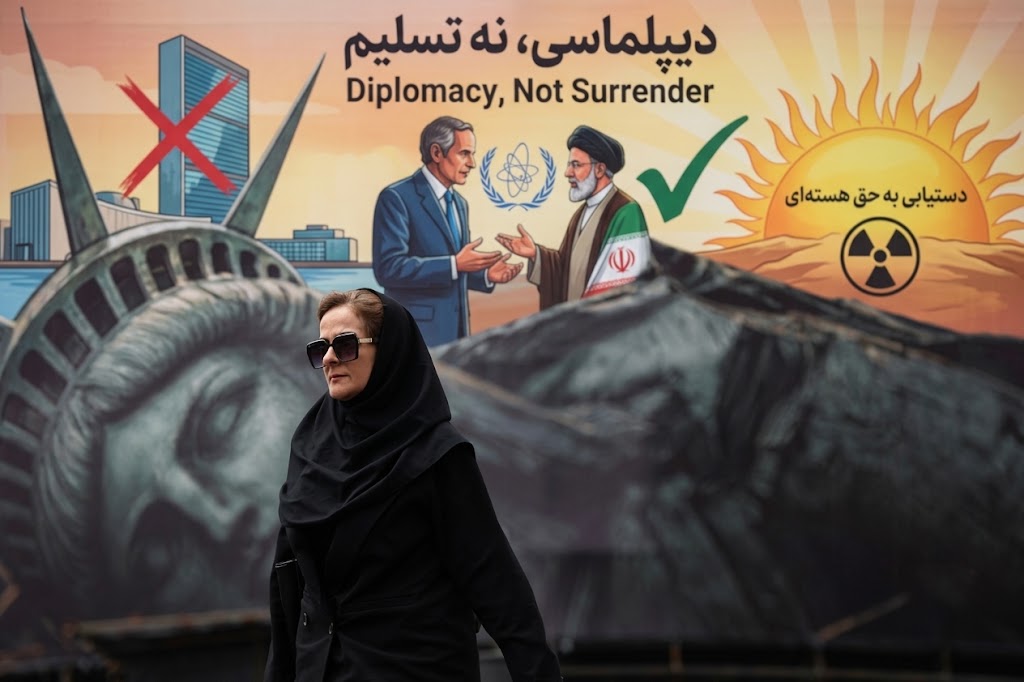 In the rarefied intellectual world of international relations, very few voices command as much respect—or provoke as much controversy—as Professor John Mearsheimer. This renowned political scientist, famous for his bold realist analysis, recently engaged in a wide-ranging discussion on the fault lines of global power. His assessment of current U.S. foreign policy is by no means a positive one, and his warnings carry the weight of historical precedents. This article has been prepared based on an exclusive interview with Professor John Mearsheimer conducted under the title “Why Britain Uses Ukraine to Destroy Russia.”
Prepared by: Jeevantha Jayatissa
The Illusion of Economically “Strangling” Iran
When considering whether Iran can be forced to surrender through the economic blockade proposed by Treasury Secretary Scott Bessent, the issue must be examined from four perspectives.
First is the existential nature of the threat being posed by the United States. When considering this situation in relation to Iran, this is not an ordinary dispute over nuclear fuel enrichment or regional influence. It is a struggle by the Iranian people for their survival. The United States and Israel are regarded as threats to Iran’s existence, and nations fighting for their survival do not surrender easily. They fight until the end.
Second, for such a blockade to succeed, the cooperation of almost all countries trading with Iran is required. The idea that such cooperation will be forthcoming is merely a fantasy. China, Iran’s largest economic partner, has already refused to participate in this process. Turkey and Russia are also expected to follow the same path. Despite its close transatlantic relations, the European Union also maintains substantial trade relations with Tehran. Therefore, forcing all of them into complete economic isolation is merely a diplomatic dream.
Third, the risk of retaliation is by no means insignificant. The United Arab Emirates, a critical hub in Iran’s trade network, lives under Iran’s shadow. It has already been reported that Tehran has warned the UAE that if it participates in the blockade, it will face severe economic retaliation.
“If we are going down, everybody is going down with us.”
The Iranian mindset can be understood by summarizing the situation in these terms.
Fourth, and most importantly, is the issue of time. Blockades take months, and sometimes years, to achieve their intended results. The U.S. presidential election is due to be held in the future (the U.S. presidential election is held every four years on the first Tuesday after the first Monday in November. Accordingly, the next U.S. presidential election is officially scheduled for Tuesday, November 7, 2028). Since this election is approaching and the global economy is also in an unstable condition, President Trump does not have a comfortable environment in which to wait for such a long period.
A Unipolar Mindset in a Multipolar World
A careful observation reveals that serious changes have taken place in the global balance of power since 2015. The Joint Comprehensive Plan of Action (JCPOA), also known as the Iran nuclear agreement, was reached at a time when the United States maintained relatively cooperative relations with Russia, China, and Europe, in a world that was considered to be experiencing a “unipolar moment.” But that world no longer exists.
Today, the world is in a completely different situation. Before us is a multipolar world in which China and Russia have emerged as enemies of the United States.
From an economic or military perspective, China and Russia have no interest in helping the United States defeat Iran. In fact, a deeper analysis shows that China and Russia have the completely opposite interest: ensuring that Iran defeats the United States.
In summary, when this situation is analyzed, it becomes clear that the United States has now reached a position in which it is facing Iran, China, and Russia together. Therefore, the very belief that America still stands with one foot planted in a unipolar world is a strategic miscalculation of enormous proportions. Accordingly, America now has an administration that “makes decisions that make no sense and run against facts and logic.”
Turkey’s Calculations and the “Greater Israel” Project
Turkey’s sole desire is to see Iran emerge victorious. This is because Turkey’s self-preservation lies in Israel’s defeat. Turkey understands that if Iran were somehow defeated, it would be inevitable that the guns of Israel and America would be turned toward Turkey.
Israeli sides have already publicly stated that Turkey has been identified as the next threat after Iran is neutralized. All of this is understood clearly not only by Turkey but also by the anti-Israeli states in the region as being part of the “Greater Israel” project.
The Human Cost and the Moral Vacuum
If we focus on the human dimension of economic warfare, it becomes clear that when sanctions are imposed, the first to suffer are consumers—in other words, ordinary people who have no connection whatsoever with government policies.
There is nothing wrong with describing U.S. foreign policy as a morally bankrupt policy. When the genocide taking place in Gaza, the occupation in the West Bank, and the destruction being carried out in southern Lebanon are taken into consideration, it becomes clear that America’s support for Israeli actions has exposed even the pretense of moral leadership that America attempts to demonstrate.
Accordingly, it is apparent even to anyone who glorifies the United States that America does not have a foreign policy based on morality.
Iran’s Resilience and the Memory of the JCPOA
The Iranian Minister of Economic Affairs stated that the renewed “maximum pressure” campaign is nothing more than empty words.
“The unipolar world is a thing of the past,” the minister stated. “They have said these things time and time again. They have also seen the results.”
Many economists agree with the Iranian Minister of Economic Affairs.
In 2015, Iran accepted the JCPOA agreement under enormous and unified pressure from all the major powers. Such a situation no longer exists in world politics today.
Furthermore, when President Trump withdrew from the agreement during his first term, he also used the slogan “maximum pressure.” Even pro-American scholars today do not seem willing to recall the success or failure of the maximum pressure that Trump presented at that time.
The Danger of Pushing Countries to the Edge of the Abyss
If sanctions have some measurable impact on Iran’s economy, even if they fail to completely strangle Iran, what will Iran do next?
The answer given to this question by many political analysts is that a destructive escalation will take place. Accordingly, it is the view of many political analysts that Iran, which has so far acted with restraint, could destroy the United Arab Emirates and plunge the entire Gulf region into chaos.
Accordingly, when the United States threatens Iran’s survival, Iran will also threaten the survival of pro-American states in its neighborhood. Iran could attack Israel’s nuclear strategic sites, and it would be inevitable that every state in the region would be subjected to massive punishment.
This situation can be understood by comparing it with the danger of pushing nuclear-capable states to the limit. Just as it would not be surprising if Russia turned to nuclear weapons if Ukraine succeeded in defeating Russia with American assistance, Iran’s retaliation should also not come as a surprise.
Therefore, America must be extremely careful not to push countries with retaliatory capabilities to the edge of the abyss, for the very survival of America and its allied states. However, political analysts believe that such caution is absent from American policy.
“America does not operate in that way because it believes that America is the center of unipolar power. They think America can do whatever it wants. Anyone can see how much trouble such a mindset has brought America into.”
Professor John Mearsheimer made this observation in relation to the matter.
Britain’s Russophobia, or Historical Anomaly
Britain’s continuing hostility toward Russia dates back to the 19th century. During that period, Britain was fearful of Russian expansion toward India. During the Cold War, this ideological gap widened further, and it continues to exist today.
Given Britain’s long history of Russophobia, it is astonishing to see how deeply the British elite and mainstream media remain attached to this hostility. Current British Prime Minister Andy Burnham may understand that a change of course is necessary, but political analysts say that he is constrained by public opinion and pressure from the elite.
The Ukrainian Front, or the Battle Heading Toward Defeat
When considering the current multipolar world, an assessment of the Ukraine war must also be made.
At present, Russia is steadily advancing on the battlefield and has effectively blockaded the Black Sea ports controlled by Ukraine. It is not fair to consider the situation on the Ukrainian battlefield from the perspective of the resilience of the Iranian people.
Accordingly, it is our understanding that Ukraine’s decision to recruit even women into military service is not a sign of resilience but a sign of desperation.
Political observers say that the Russians are currently managing the war they are waging on Ukrainian territory against the West very effectively and are heading toward destroying Ukraine on the battlefield.
Predictions made by some regarding the possibility of Russia attacking a NATO member state are not significant enough to warrant consideration. Moscow is well aware that such a step would only result in drawing the NATO alliance into a war that Moscow is already winning.
Therefore, our emphasis is that the last thing the Russians want is to become involved in a real war with both Ukraine and the NATO camp.
A Sobering Final Conclusion
The United States is currently overreaching its power in a world that no longer bends to its will. Although the unipolar world has ended, American policymakers continue to act as if it still exists.
However, history reminds us that the international system rewards prudence and punishes arrogance.
Looking at America’s current behavior, in the contest between power and wisdom, wisdom is becoming increasingly scarce.
About Professor John Mearsheimer
Professor John Mearsheimer is the R. Wendell Harrison Distinguished Service Professor of Political Science at the University of Chicago. He is the author of several influential works on international relations, among which “The Tragedy of Great Power Politics” is a major work.
සම්බන්ධිත පුවත් | Related News


ප්රධාන පුවත්
ශ්රී ලංකන් ගුවන් සේවයේ පද්ධතිවලට අනවසරයෙන් රිංගූ හැකර්ලා ඩොලර් 50,000ක කප්පමක් ඉල්ලලා.. - දයාසිරිගෙන් හෙළිදරව්වක්..
ප්රංශය ඇතුළු යුරෝපා රටවල උග්රවන ආර්ථික අර්බුදය සහ ජනතා විරෝධය ගැන ආචාර්ය ජගත් චන්ද්රවංශගෙන් අනාවරණයක්..
බුද්ධ ශාසන ඇමති අනුරාධපුර පූජා නගරය පිළිබඳ අර්ධ සත්යය මගින් විනාශකාරී මහා සත්යය සඟවනවා.. - ජාතික සංවිධානවලින් චෝදනා
භික්ෂූන් වහන්සේලා පාගමන පැවැත්වූවේ ආණ්ඩුව පෙරළන්න නෙවෙයි.. බුදු දහම, බුද්ධ චීවරය සහ මෙරට ඓතිහාසික වටිනාකම රැකගැනීම වෙනුවෙන්.. - මහාචාර්ය පූජ්ය කොටපිටියේ රාහුල හිමි
"විධායකයට විශාල බලයක් ලබාදීලා.. මහෙස්ත්රාත්වරයා රබර් මුද්රාවක් වෙලා": ත්රස්තවාදයෙන් රාජ්ය ආරක්ෂා කිරීමේ පනතට ශ්රේෂ්ඨාධිකරණයේදී පෙත්සම්කාර පාර්ශ්වයෙන් දැඩි විරෝධතා
අනුරාධපුර බුලන්කුලම වැව් රක්ෂිතයෙන් අක්කර 200ක් නිලධාරීන් අතර බෙදාදීමේ ක්රියාවලිය ප්රශ්න කරමින් දේශහිතෛෂී ජාතික ව්යාපාරයෙන් කෘෂිකර්ම ඇමති ලාල් කාන්තට ලිපියක්
ඉරානය නව වෙළෙඳ මාර්ගයේ ප්රධාන දුම්රිය සම්බන්ධතාවක් සම්පූර්ණ කරයි (වීඩියෝ)
කියුබාවේ හිටපු ජනාධිපති රාවුල් කස්ත්රෝ අත්අඩංගුවට ගැනීමට ඇමෙරිකානු ප්රාන්තයකින් වරෙන්තුවක්
ඇමරිකානු ජනපති ට්රම්ප් සහ රුසියානු ජනපති පුටින් අතර පැවති විනාඩි 90ක රහස් කතාබහේ ඇතුළාන්තය.. - ශ්රී ලංකා කොමියුනිස්ට් පක්ෂයේ ප්රධාන ලේකම්ගෙන් විශේෂ අනාවරණයක්..
මහ සඟරුවනට නින්දා අපහාස කරන නිරාගමික යූටියුබ් කරුවන්ට එරෙහිව අපරාධ පරීක්ෂණ දෙපාර්තමේන්තුවෙන් පරීක්ෂණයක්..
මුහුද යට කේබල් සහ AI මධ්යස්ථාන ඉලක්ක කර ගනිමින් ඉරානයෙන් දැවැන්ත යුද සූදානමක්!..
ඥානසාර හිමියන්ගේ සිවුර ගලවා ආණ්ඩුව රටට දෙන පණිවිඩය ගැන ප්රවීන මාධ්යවේදී ධර්මශ්රී ගෙන් අනාවරණයක්..
බෝධිසත්ව ගුණ නොමැති පුද්ගලයන් රජ නොවිය යුතුයි.. රජකම ලැබෙන්නේ චීවරය රකින්නයි..- අස්ගිරියෙන් ප්රකාශයක්..
මහානායක අතිපූජ්ය ඕමාරේ කස්සප නායක හිමියන් විපක්ෂ නායක හිරවෙන ප්රශන 3ක් අහලා..
අද, හෙට සහ අනිද්දා දීප ව්යාප්ත විදුලි කප්පාදුවක්..
කොටුව මහේස්ත්රාත්වරයා නිකුත් කළ තහනම් නියෝගයට එරෙහිව ගම්මන්පිලගෙන් පෙත්සමක්..