
81 Years After Japan’s Surrender: Has Asia Truly Moved Beyond the Shadow of Militarism?

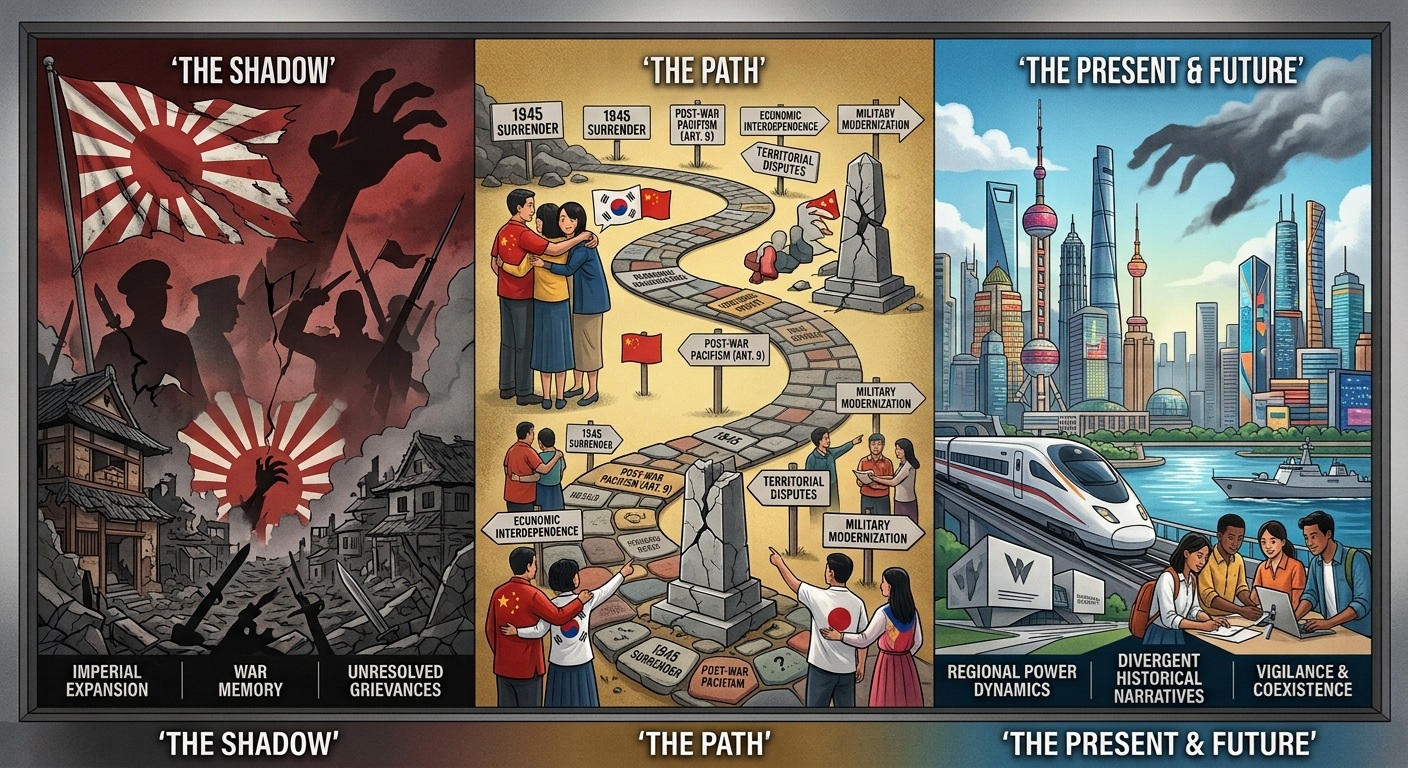 August 15, 2026, marked the 81st anniversary of Japan’s surrender in World War II — a historic moment that ended Japan’s devastating war of aggression across Asia and marked a pivotal turning point in the region's modern history. Yet, eight decades later, the anniversary remains far more than a commemoration of the past. It continues to raise difficult questions about historical responsibility, militarism, national memory and the direction of Japan’s foreign and security policy.
For much of Asia, August 15 is a day of remembrance for millions who died during the Japanese occupation and the wider Pacific War. For Japan, it is officially a day to mourn its war dead. But the manner in which Japan remembers the war remains a source of profound disagreement with its Asian neighbours. This year, those tensions were again brought into sharp focus by events surrounding Tokyo's Yasukuni Shrine.
A surrender that changed Asia
On August 15, 1945, Emperor Hirohito announced Japan's acceptance of the Allied terms of surrender. The formal surrender document was subsequently signed aboard the USS Missouri in Tokyo Bay on September 2, 1945.
Japan's defeat brought an end to a conflict that had devastated vast areas of Asia and the Pacific. Japanese forces had occupied large parts of China, Korea, Southeast Asia and numerous Pacific territories, leaving behind enormous human suffering and destruction.
The war also included some of the darkest episodes of the 20th century, including the Nanjing Massacre, forced labour, sexual slavery, mass killings and other abuses committed under Japanese occupation.
For the victims and their descendants, therefore, the anniversary is not simply about Japan's defeat. It is also about remembering the suffering caused by Japanese imperial expansion and ensuring that such crimes are not forgotten.
That historical memory remains particularly powerful in China and the Korean Peninsula.
Yasukuni: where remembrance becomes politics
The controversy surrounding this year's anniversary again centred on Yasukuni Shrine in Tokyo.
Japanese Defense Minister Shinjiro Koizumi visited the shrine on August 15, while several other senior politicians also paid their respects. Prime Minister Sanae Takaichi did not personally visit the shrine, but made a ritual offering in her capacity as president of Japan's ruling Liberal Democratic Party.
Yasukuni Shrine honours more than two million Japanese war dead. But among those enshrined are 14 convicted Class-A war criminals, including senior leaders who were found responsible for Japan's wartime aggression. That is why the shrine has become one of the most sensitive symbols in East Asian diplomacy.
For many Japanese families, visiting Yasukuni is a personal act of mourning for relatives who died in the war. But for China and South Korea, visits by senior Japanese politicians carry a very different meaning: they can be interpreted as legitimising or sanitising the ideology and leadership associated with Japan's wartime aggression. The issue is therefore not simply whether politicians have the right to honour the dead. It is about which history is being remembered, how it is being remembered and whether the victims of Japanese aggression are given equal recognition.
China and South Korea react
China and South Korea strongly criticised the visits and offerings at Yasukuni this year. Reuters reported that China lodged a formal protest, while South Korea expressed deep regret over the visits. Both countries regard Yasukuni as a symbol of Japan's wartime aggression.Chinese authorities have also warned about what they describe as the dangers of a resurgence of Japanese militarism.
China's Defense Ministry said on August 14 that Japan's "neo-militarism" warranted vigilance, arguing that developments in Japanese security policy should not be separated from the historical experience of Japanese aggression in Asia.
The dispute illustrates why historical memory continues to influence contemporary geopolitics in East Asia.
Nanjing's new evidence: preserving the victims' history
The anniversary also coincided with the emergence of new historical materials concerning Japanese wartime atrocities in China.
On August 15, the Memorial Hall of the Victims of the Nanjing Massacre by Japanese Invaders received new historical materials documenting the Japanese invasion. According to reports, more than 150 sets of artifacts and historical materials, along with more than 100 archival documents, were collected during the first half of 2026. The timing was significant.
As Japanese officials commemorated their war dead in Tokyo, Chinese institutions were preserving documentary evidence of the suffering inflicted by Japanese forces. It demonstrated two fundamentally different dimensions of the anniversary: commemoration of those who died fighting for Japan and remembrance of those who suffered under Japanese occupation. Both are part of history. But the second cannot be erased by concentrating solely on the first.
Japan's changing security policy
The debate over historical memory has become even more consequential because Japan is reassessing its postwar security posture.
For decades after 1945, Japan cultivated an international identity centred on economic development, constitutional pacifism and a strong public commitment to avoiding another war. That identity has increasingly been challenged by regional security tensions and changes in Japan's defense policy.
Japan argues that its expanding defense capabilities are responses to a deteriorating security environment, including developments involving China, North Korea and Russia.
Critics, however, worry that the expansion of military capabilities could mark a gradual departure from the restraint associated with Japan's postwar settlement.
This is why the words and actions of Japanese political leaders matter far beyond Japan's borders. When a defense minister visits a shrine associated with Japan's wartime leadership while the country is simultaneously strengthening its military capabilities, neighbouring countries inevitably examine those developments through the lens of history.
A different message from the Japanese Emperor
There was also another important message from Japan on the anniversary. Emperor Naruhito expressed deep remorse over the suffering caused by the war and emphasised the importance of remembering the victims.That position contrasts with the more contentious symbolism associated with Yasukuni Shrine.
The distinction is important because Japan's postwar identity has never been completely uniform. Japanese society contains powerful peace movements, scholars, journalists, survivors and citizens who continue to oppose attempts to minimise or revise the country's wartime history.
Xinhua reported that Japanese peace activists and scholars criticised this year's Yasukuni visits and called on political leaders to confront Japan's responsibility for wartime aggression.
Thus, the struggle over historical memory is not simply a conflict between Japan and its neighbours. It is also a debate within Japan itself.
The danger of forgetting
Eighty-one years after the war, the generation that directly experienced it is rapidly disappearing. That makes historical preservation more important, not less.
Archives, photographs, letters, testimonies and material evidence provide future generations with a means of understanding what happened when nationalism, militarism and imperial ambition overwhelmed diplomacy and human life.
The new materials presented in Nanjing this year are therefore significant not merely because they add to the historical record, but because they demonstrate that history remains a living responsibility.
The same principle applies to Hiroshima and Nagasaki, where the memory of the atomic bombings continues to shape Japan's identity and global debate over nuclear weapons.
Japan's history contains both the suffering caused by its wartime expansion and the suffering endured by the Japanese people themselves.A mature historical understanding must acknowledge both.
What does reconciliation require?
The 81st anniversary raises a question that remains unresolved: What does genuine reconciliation in East Asia require?
Economic cooperation alone cannot erase historical grievances. Nor can diplomatic meetings permanently resolve disputes if historical wounds are repeatedly reopened by political symbolism. Reconciliation requires honesty.
It requires acknowledging the suffering experienced by the peoples of China, Korea and other countries occupied by Japan. It requires preserving historical evidence rather than allowing inconvenient aspects of history to disappear. And it requires ensuring that commemoration of Japan's own war dead does not become a vehicle for glorifying the political system and military ideology that produced the war.
Crucially, reconciliation also requires that official state apologies, when offered, are backed by policy consistency—rather than being undermined by subsequent political gestures that reopen old wounds.
This does not mean that contemporary generations of Japanese people should be held personally responsible for the crimes of their predecessors. Rather, it means that governments and societies have a responsibility to understand history accurately and prevent its darkest lessons from being forgotten.
August 15 and the future of Asia
The significance of August 15, 1945 extends far beyond Japan. The end of Japanese imperial expansion helped reshape the political map of Asia. It contributed to the independence struggles that transformed the region and created the conditions for the emergence of new states and new political orders. Today, East Asia is once again undergoing profound strategic change. China has emerged as a major global power. Japan is strengthening its defense capabilities. South Korea is expanding its strategic role. The United States remains deeply involved in the region. The Korean Peninsula remains divided, while tensions over Taiwan and maritime security continue to influence regional politics. Against this background, history is not an academic issue. It is part of contemporary geopolitics. The manner in which countries interpret the past affects how they perceive each other in the present.
That is why the 81st anniversary of Japan's surrender should not simply be reduced to ceremonies, wreaths and political statements.
It should be an opportunity to remember the millions who died, to listen to the voices of survivors and victims, and to reaffirm a basic principle: the tragedies of the past must not become the foundations of the conflicts of the future.
The unfinished task of remembrance
Eight decades after the guns fell silent, the Asia-Pacific region has experienced extraordinary economic growth and transformation. Former enemies have become trading partners, diplomatic counterparts and, in some cases, strategic partners. But peace is not sustained by economic interdependence alone. It is also sustained by historical truth. The events of 1945 belong to history, but the responsibility to remember them belongs to every generation. The real meaning of the 81st anniversary of Japan's surrender should therefore be neither triumphalism nor historical revenge. It should be a commitment to ensure that the suffering of the past is remembered honestly — and that the forces of militarism, aggression and extreme nationalism never again plunge Asia into catastrophe.
Eighty-one years after Japan's surrender, the most important question is not simply how the war ended. It is whether the lessons of that war have truly been learned.
By LankaLeader Editorial Desk
සම්බන්ධිත පුවත් | Related News



ප්රධාන පුවත්
ශ්රී ලංකාව NATO සංවිධානය සමඟ සබඳතා පැවැත්වීමෙන් වහල් රාජ්යයක් බවට පත්වීමේ අවදානමක්.. – ජ්යෙෂ්ඨ මාධ්යවේදී මොහාන් සමරනායකගෙන් අනාවරණයක්
උතුරු-නැගෙනහිර බෙදුම්වාදී ක්රියා වහා පාලනය කිරීමට මැදිහත්වන්න.. - ජාතික නිදහස් පෙරමුණෙන් ජනපති අනුරට ලිපියක්
වහබ්වාදී ආගමික අන්තවාදය ශ්රී ලංකා භූමියෙන් මුලිනුපුටා දැමීම සඳහා වූ ගෝඨාභය රාජපක්ෂ යෝජනාවලිය යනු කුමක් ද?
''භික්ෂුවගේ සිවුර ඉවත් කිරීම සංඝ සභාවේ තීරණයක් විය යුතුයි'' - කෝට්ටේ සංඝ සභාවෙන් බන්ධනාගාර කොමසාරිස්ට ලිපියක්
සරම්ප වසංගතය දරුණු වෙයි: නිව්යෝර්ක් හදිසි ආපදා තත්ත්වයක් ප්රකාශ කරයි! ඇමරිකාවේ සරම්ප රෝගීන් 3,887ක් – පෙන්සිල්වේනියා මරණ වාර්තා සම්බන්ධයෙන් සෞඛ්ය ලේකම් රොබට් එෆ්. කෙනඩි ජූනියර් ප්රශ්න කරයි
දේශප්රේමී සළුවලින් සැඟවුණු “ඩෙල්සි මාදිලියේ පාවාදීමකට” අනුරගේ ආණුඩුව සූදානමින්.. - විමල්ගෙන් විශේෂ හෙළිදරව්වක්..
ගලගොඩඅත්තේ ඥානසාර හිමියන් වෙනුවෙන් සිහි බුද්ධිය ඇති සිංහල, දෙමළ, මුස්ලිම් සෑම ශ්රී ලාංකිකයෙකුම කඳුළක් සැලිය යුතුයි.. - ජාතික සංවිධාන කියයි
බ්රැම්ප්ටන් නගරාධිපති පැට්රික් බ්රවුන්ගේ ප්රකාශයක් නිසා කැනඩාවේ සහ ශ්රී ලංකාවේ නැවතත් ජාතිවාදී නොසන්සුන්තාවයක් මතු වීමේ අවදානමක්..
රුසියාවෙන් නේටෝවට ප්රබල අනතුරු ඇඟවීමක්.. ස්වෛරීභාවයට තර්ජනයක් වුවහොත් න්යෂ්ටික අවි භාවිතයට සූදානම්.. - ආචාර්ය ජගත් චන්ද්රවංශගෙන් අනාවරණයක්
යේමන හමුදා ආරම්භ කළ දැවැන්ත මෙහෙයුම හමුවේ වුවද නව ප්රදේශ අත්පත් කරගත්තා- හූති කැරලිකරුවෝ අවධාරණය කරති
"ජෙප්පෝ හිඟන්නන්ට පවුඩර් දානවා.. - මෙට්රෝ බස් පෙන්නලා අපිව චූන් කරනවා" - විමල් වීරවංශ
ජනපති සමාව අහිමි වූ ගලගොඩඅත්තේ ඥානසාර හිමි යළිත් සිපිරි ගෙට.. - වසර හයේ සිර දඬුවමේ ඉතිරි කාලය ක්රියාත්මක කරන්නැයි නියෝග..
ලෝක වෙළෙඳපොළට අනුව ඉන්ධන මිල වෙනස් කරන්නැයි IMF ශ්රී ලංකාවට කියයි..
මේ හදන්නේ පන්සලට ඇති බලය ඉවත් කරන්න.. රට ඇතුළේ වෙන දේවල් ගැන හුඟක් අය දන්නේ නෑ.. - නීතිඥ සංජීව වීරවික්රමගෙන් විශේෂ අනාවරණයක්
මහින්දට කිලෝමීටර් 120ක් හදන්න රු. බිලියන 115යි.. අනුරට කිලෝමීටර් 19ක් හදන්න බිලියන 112යි.. - මහින්ද පතිරණ හෙළිකරන කතාව