
The Indian Footprint in Online Financial Fraud

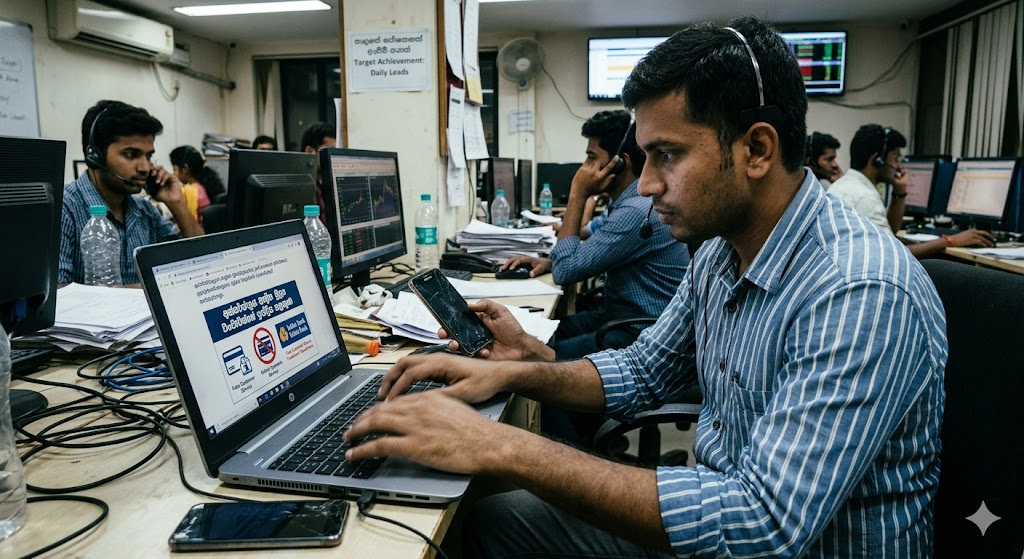 Indian nationals have increasingly gained notoriety in connection with online financial fraud operations spanning multiple countries. Behind many of these sophisticated cyber scams lies a powerful advantage: India possesses the world’s second-largest English-speaking population. From Mumbai to Chennai, and from New Delhi to Hyderabad, the number of people capable of communicating fluently in English surpasses the combined population of Western Europe.
This linguistic advantage has become a key weapon inside modern internet scam compounds. Once recruited into these fraud networks, operators are trained using scam manuals translated into English and are taught how to psychologically manipulate victims living far beyond South Asia. Targeting individuals across Europe, North America, Australia, and other regions, these organized syndicates have transformed online deception into a global industry worth billions.
The following feature article exposes how these transnational scam operations function, the methods they employ, and the growing international concern surrounding their activities.
Roger, a retired mailman from Ohio, received a phone call one day from an Amazon customer service representative with an Indian accent, and was told there was a small issue with his account. Just like that, his life savings were gone.
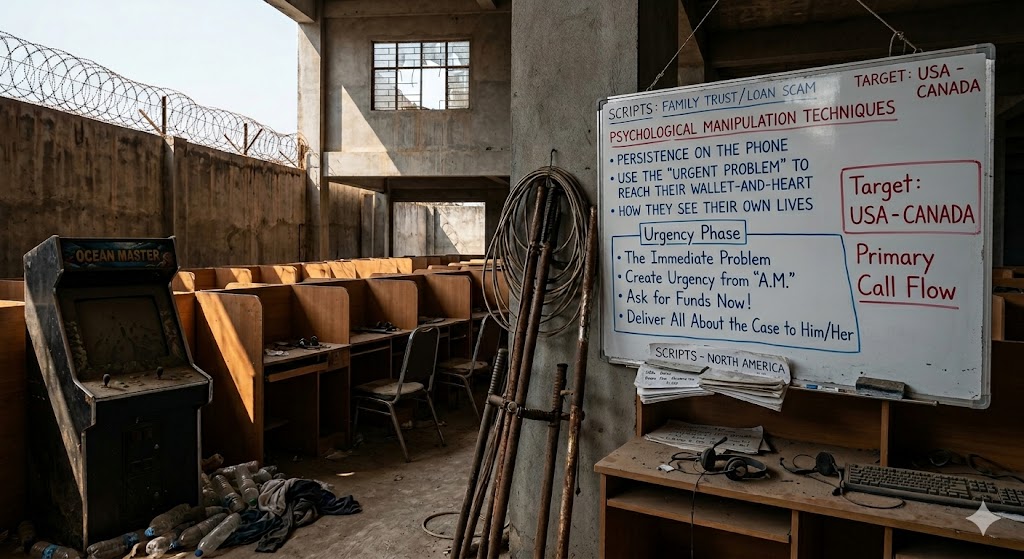
This is what has been happening since the fall of the "Four Families" criminal groups in Kokang, northern Myanmar.The scam compounds were left empty, but the barbed wire was still there, the electric batons were still there, even the scam scripts written on the whiteboards had not been erased. Like an unattended amusement arcade, the compounds were there waiting for someone to sit down and continue the game. The Indians arrived, but nobody knows how they managed to carry their luggage all the way across mountains and rivers to get there. By the time you notice them, they are already there, and apparently have settled.
When it comes to telecom fraud, India can be called Myanmar’s grandmaster. By the time Myawaddy had just begun to rise, India already possessed a mature phone scam industrial chain. They specifically targeted native English speakers, pretending to be Microsoft customer service, the IRS, or the Social Security Administration, telling you that your computer had been infected with a virus, or that you owed the federal tax bureau 200,000 US dollars and needed to pay using Google Play gift cards.
The scam compounds were never bound by borders. Barbed wire does not recognize passports, electric batons do not care what language you speak, and KPIs treat all men equally. Bai, Wei, Liu, and Ming -- the “Four Families” criminal groups who once dominated Myanmar’s scam compounds-- thought they were running an empire, but what they were really operating was merely a replaceable process. The empire collapsed, but the process remained.
The Collapse of the ‘Four Families’: The Bigining of Version 2.0
According to a report from The Economist, the iteration speed of scam compounds in northern Myanmar has already surpassed that of most legitimate technology companies. The downfall of the “Four Families” was not the end, but rather a version update. Version 2.0 is now in grey box testing.
According to locals interviewed by CNN, the first group to arrive was a team from Mumbai, about fifteen people in total. They dragged suitcases, laptops, Starlink terminals, and half a box of masala, carrying the smiles one would expect from people who had successfully transitioned from IT outsourcing. One of them reportedly said while calling in more recruits: “The new office is a little shabby, but it has growth potential.”
Ram from Hyderabad had been lured there by a recruitment advertisement. The ad said: “High-paying customer service job in Southeast Asia, salary 50,000 rupees a month, food and accommodation included.” After arriving, he discovered that the food was indeed included, and so was the accommodation, except the relationship between the work itself and customer service was roughly the same as the relationship between a crocodile and a massage chair. “It’s not quite what I imagined,” he said, “but the internet speed is very good.” And he stayed.
Another portion of people came voluntarily. Their circumstances were more delicate. Leaving India, for them, could be described either as pursuing opportunity, or as a strategic relocation they had to make.
 Anand from Mumbai was one such person. He carried an overdue credit card summons in India, and the court had ordered him to appear within three months. “I just needed a break,” he said, “and to pay back the money along the way.” He is now ranked third in commissions within the compound.
Indian authorities quickly noticed what was happening and launched rescue operations. India’s Ministry of External Affairs negotiated several times with the Myanmar authorities, each time arriving in grand fashion, flying military transport aircraft, bringing journalists, and carrying solemn promises of humanitarian rescue.
Buses arrived at the gates of the compounds. Diplomats held loudspeakers and called on their fellow citizens to return home. Yet almost three-quarters of the people refused to get on the buses.
“I’m doing quite well here, thank you.” Rohit, an Indian man who had supposedly been rescued, quoted the exact words of the colleague sitting beside him during an interview with reporters. “He said he’s not going back. He said he just got familiar with the scripts, that business was booming, and that this month’s commissions hadn’t been settled yet.”
The Indian Fraudster and the ‘Five Eyes
According to an Indian diplomat who participated in the rescue operations, the most difficult negotiation of his career was not dealing with the Myanmar military government, but trying to persuade a 24-year-old young man from Kolkata to abandon his telecom fraud workstation and return home to face a lawsuit over overdue microloans.
The arrival of the Indians fundamentally transformed the direction of business inside the compounds. Indians do not speak Mandarin, but they possess one advantage that the previous generation of scam syndicates could never envy enough: they speak English.
India has the world’s second-largest English-speaking population. From Mumbai to Chennai, from New Delhi to Hyderabad, the number of people capable of fluent communication in English exceeds the entire population of Western Europe combined. That alone allows them to converse smoothly with ordinary citizens from any member state of the Five Eyes.
Once these people entered the compounds, they immediately translated the scam manuals into English and turned their attention toward the group of people living across the ocean who believe in love the most.
According to a joint report released by the U.S. Federal Trade Commission and the Stanford Internet Observatory, in 2024, losses suffered by American citizens due to transnational phone scams and online romance scams exceeded 12 billion US dollars, approximately equivalent to 16% of Myanmar’s GDP that year.
In a briefing, the CIA pointed out that a significant portion of this money flowed into telecom fraud hubs inside Myanmar represented by the KK compound. INTERPOL later issued a special notice formally confirming the CIA’s assessment, while simultaneously issuing red notices for more than 400 Indian suspects active along the India-Myanmar Cybercrime Corridor.
In 2025 alone, scam operations traceable to Indians operating out of northern Myanmar had already caused confirmed losses exceeding 4.7 billion US dollars for Americans. And just like that, the United States became the world’s second-largest victim nation of telecom fraud. With little experience in dealing with this, Americans were still soft-hearted, still trusting, still willing to sincerely ask, after receiving a phone call saying “your Social Security account has been suspended”: “What should I do?”
Pig-Butchering” Scams and the Emotional Manipulation of Bollywood Celebrities
The Indian-style “pig-butchering scam” mainly focused on romance fraud. This choice had its own internal logic. India possesses the world’s most productive romance film industry. The male protagonists of Bollywood always know how to spin in the rain, run through flower fields, and move female leads to tears somewhere between misunderstanding and reconciliation. When it comes to emotional packaging, this nation is undoubtedly operating at ceiling level on this planet.
Applied online, this skill involves registering an account, stealing a set of photos from some handsome European men, matching with a 58-year-old divorced American woman from Oklahoma City who owns two cats on Tinder, and then beginning a relationship. Within two months, the conversation must reach the point of: “I really like you, but my oil pipeline project suddenly ran into financial problems, could you lend me some money first, I’ll pay you back when we meet.” This is standard procedure.
Accent is the biggest variable in this business. It is not bad, but using it to pursue romance generally does not produce high success rates. Single women in Texas often politely block the other side after the very first phone call.
But sheer numbers can compensate for everything. When there are simultaneously 3,000 Indians inside the KK compound making phone calls and sending messages to Americans, even if the success rate is only 3%, ninety Americans fall in love every day. Out of those ninety Americans, even if only ten are scammed out of fifty thousand dollars each, that still amounts to five hundred thousand dollars.
John, a retired teacher from Pennsylvania, was part of that 3%. In an interview with NBC, he said he met someone on a dating app who claimed to be a British petroleum engineer working in Dubai. The photos sent by the man were handsome like a Swedish male model. He spoke gently, was attentive and caring, and every morning would text him: “Good morning, my sunshine.”
John lost 190,000 US dollars, the entirety of the savings he had accumulated over thirty-two years of teaching.
“His accent sounded a little strange,” John said, “but I thought he had stayed in Dubai too long and been influenced by the local accent.”
The reporter informed him that the official language of Dubai is Arabic, not Hindi.
“I know,” John replied, “but at the time I was in love.”
Later, police informed him that the photograph had been stolen from the Instagram account of a Norwegian fitness blogger. That Norwegian blogger, to this day, still does not know that he has already been involved in seventeen relationships in northern Myanmar.
Before being ultimately identified by INTERPOL, Vikram, a former IT engineer from Mumbai, had simultaneously maintained online romantic relationships with more than thirty American women while posing as a “British billionaire on a luxury yacht.” The oldest among them was seventy-two years old, the youngest thirty-one.
“Relationships require careful management,” he told his coworkers. “You can’t let the other person feel like you’re only asking for money.”
The first thing he did every day at work was open a self-made Excel spreadsheet to confirm the progress of each relationship, the other party’s financial situation, and the estimated trigger time for the next emotional milestone. He named the spreadsheet “My Love.” It was later attached to the indictment as evidence.
The New Assembly Routes of Indians: The Globalized Face of Labor Mobility
Professor Sharma, a sociology professor at University of Delhi, offered a macro-level perspective during an interview.
“You must understand,” Professor Sharma said, “this is the globalization of labor mobility. The compounds in northern Myanmar are essentially industrial clusters. The core logic of industrial clusters is that whoever possesses comparative advantage moves in. The infrastructure, networks, and accumulated operational experience left behind by the previous generation of scam syndicates constitute a considerable silent asset. And our young Indians speak English, possess technical skills, and have…”
The reporter interrupted him: “Professor, the industry you are describing is telecom fraud.”
“I am discussing an abstract economic model,” he replied. “Please do not quote me out of context.”
From the perspective of economic theory, the compounds truly do not care who is sitting inside. They are merely infrastructure composed of buildings, internet cables, electric batons, and rows of barbed wire, maintaining equal neutrality toward all races. The prosperity of the past may have collapsed, but the Indians have built new assembly lines.
At this moment, the tropical jungle outside the window is green beyond reason. The generators downstairs continue humming. Curry still bubbles in the cafeteria pots. And somewhere, an American’s phone screen has already lit up, vibrating.
(An Investigative Document Received by Us on the Indian Footprint in Online Financial Fraud Operations Based in the Kokang Region of Northern Myanmar)
සම්බන්ධිත පුවත් | Related News





ප්රධාන පුවත්
පොලිස්පතිවරයා අධිකරණයට අපහාස කළ බව ප්රකාශ කරමින් ගම්පහ මහේස්ත්රාත්වරයා අදාළ ලිපිගොනු අභියාචනාධිකරණයට ඉදිරිපත් කරයි..
ශ්රී ලංකන් ගුවන් සේවයේ පද්ධතිවලට අනවසරයෙන් රිංගූ හැකර්ලා ඩොලර් 50,000ක කප්පමක් ඉල්ලලා.. - දයාසිරිගෙන් හෙළිදරව්වක්..
ප්රංශය ඇතුළු යුරෝපා රටවල උග්රවන ආර්ථික අර්බුදය සහ ජනතා විරෝධය ගැන ආචාර්ය ජගත් චන්ද්රවංශගෙන් අනාවරණයක්..
බුද්ධ ශාසන ඇමති අනුරාධපුර පූජා නගරය පිළිබඳ අර්ධ සත්යය මගින් විනාශකාරී මහා සත්යය සඟවනවා.. - ජාතික සංවිධානවලින් චෝදනා
භික්ෂූන් වහන්සේලා පාගමන පැවැත්වූවේ ආණ්ඩුව පෙරළන්න නෙවෙයි.. බුදු දහම, බුද්ධ චීවරය සහ මෙරට ඓතිහාසික වටිනාකම රැකගැනීම වෙනුවෙන්.. - මහාචාර්ය පූජ්ය කොටපිටියේ රාහුල හිමි
"විධායකයට විශාල බලයක් ලබාදීලා.. මහෙස්ත්රාත්වරයා රබර් මුද්රාවක් වෙලා": ත්රස්තවාදයෙන් රාජ්ය ආරක්ෂා කිරීමේ පනතට ශ්රේෂ්ඨාධිකරණයේදී පෙත්සම්කාර පාර්ශ්වයෙන් දැඩි විරෝධතා
අනුරාධපුර බුලන්කුලම වැව් රක්ෂිතයෙන් අක්කර 200ක් නිලධාරීන් අතර බෙදාදීමේ ක්රියාවලිය ප්රශ්න කරමින් දේශහිතෛෂී ජාතික ව්යාපාරයෙන් කෘෂිකර්ම ඇමති ලාල් කාන්තට ලිපියක්
ඉරානය නව වෙළෙඳ මාර්ගයේ ප්රධාන දුම්රිය සම්බන්ධතාවක් සම්පූර්ණ කරයි (වීඩියෝ)
කියුබාවේ හිටපු ජනාධිපති රාවුල් කස්ත්රෝ අත්අඩංගුවට ගැනීමට ඇමෙරිකානු ප්රාන්තයකින් වරෙන්තුවක්
ඇමරිකානු ජනපති ට්රම්ප් සහ රුසියානු ජනපති පුටින් අතර පැවති විනාඩි 90ක රහස් කතාබහේ ඇතුළාන්තය.. - ශ්රී ලංකා කොමියුනිස්ට් පක්ෂයේ ප්රධාන ලේකම්ගෙන් විශේෂ අනාවරණයක්..
මහ සඟරුවනට නින්දා අපහාස කරන නිරාගමික යූටියුබ් කරුවන්ට එරෙහිව අපරාධ පරීක්ෂණ දෙපාර්තමේන්තුවෙන් පරීක්ෂණයක්..
මුහුද යට කේබල් සහ AI මධ්යස්ථාන ඉලක්ක කර ගනිමින් ඉරානයෙන් දැවැන්ත යුද සූදානමක්!..
ඥානසාර හිමියන්ගේ සිවුර ගලවා ආණ්ඩුව රටට දෙන පණිවිඩය ගැන ප්රවීන මාධ්යවේදී ධර්මශ්රී ගෙන් අනාවරණයක්..
බෝධිසත්ව ගුණ නොමැති පුද්ගලයන් රජ නොවිය යුතුයි.. රජකම ලැබෙන්නේ චීවරය රකින්නයි..- අස්ගිරියෙන් ප්රකාශයක්..
මහානායක අතිපූජ්ය ඕමාරේ කස්සප නායක හිමියන් විපක්ෂ නායක හිරවෙන ප්රශන 3ක් අහලා..
අද, හෙට සහ අනිද්දා දීප ව්යාප්ත විදුලි කප්පාදුවක්..