
The Slow Unraveling of Dollar Dominance: What Comes Next for the Global Financial Order

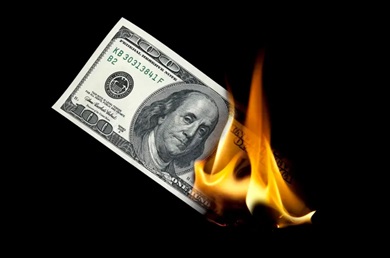 For decades,
the U.S. dollar has sat at the center of the global economy—an invisible force
shaping trade, savings, and power across nations. It is the currency countries
trust, the medium through which oil flows, and the foundation upon which modern
finance is built.
For decades,
the U.S. dollar has sat at the center of the global economy—an invisible force
shaping trade, savings, and power across nations. It is the currency countries
trust, the medium through which oil flows, and the foundation upon which modern
finance is built.
But what if
that foundation begins to crack?
This
question is no longer theoretical. It sits at the heart of a growing global
debate: what happens if the U.S. dollar loses its status as the world’s
reserve currency? The answer carries profound implications—not just for
governments and financial markets, but for ordinary people whose lives are tied
to the stability of money itself.
The Architecture of Dollar Power
To
understand what might come next, we must first understand why the dollar became
dominant in the first place.
Contrary to
popular belief, it is not simply because the United States is the world’s
largest economy. In fact, the roots of dollar dominance lie in a strategic
alignment of energy and military power.
In 1973, a
pivotal agreement between the United States and Saudi Arabia reshaped global
finance. Oil—the world’s most essential commodity—would be sold exclusively in
U.S. dollars. In exchange, the U.S. would provide security guarantees to the
Saudi state.
This
arrangement gave birth to the petrodollar system.
Because
every country needs oil, every country needs dollars. Whether it’s China
fueling its factories or Germany powering its industries, access to energy
requires access to the U.S. currency. Over time, this created a
self-reinforcing loop: nations earned dollars, stored dollars, and traded in
dollars.
The result?
The dollar became the lifeblood—or “oxygen”—of the global economy.
Yet this
system is not purely financial. It is underwritten by geopolitics. The U.S.
military, particularly its naval dominance, secures critical shipping routes
and trade chokepoints. In effect, the stability of the dollar is tied not only
to markets, but to power projection.
A System Under Strain
Today,
cracks are beginning to appear.
Rising
geopolitical tensions, economic sanctions, and shifting alliances are prompting
countries to rethink their reliance on the dollar. When the United States froze
hundreds of billions in foreign reserves during recent conflicts, it sent a
clear message: access to the dollar system can be conditional.
For many
nations, that realization has triggered a quiet but significant shift—away from
dependence and toward diversification.
To
understand where this leads, analysts often turn to game theory, a
framework that examines how players act based on incentives and risks. Through
this lens, three possible futures emerge.
Scenario One: A Gradual Transition
The most
optimistic outcome is a “soft landing.”
In this
scenario, the dollar does not collapse but gradually shares its dominance with
other currencies. The global system becomes multipolar, with the Chinese yuan,
gold, and perhaps digital currencies playing larger roles.
There is
precedent for this. The British pound, once the world’s leading reserve
currency, declined slowly after World War II as the dollar rose to prominence.
The transition took decades, not years.
However,
this path requires something rare in history: a dominant power willingly
stepping back. Empires, more often than not, resist decline rather than manage
it.
Scenario Two: The Era of Dollar Conflict
A more
likely outcome is what some describe as a “dollar war.”
Here, the
United States actively defends its currency’s dominance—not only through
economic policy but through sanctions, trade measures, and geopolitical
influence.
This process
is already underway. Countries facing sanctions have begun building alternative
payment systems, trading in local currencies, and reducing dollar reserves.
Even traditional allies are exploring new arrangements.
Ironically,
each use of financial power accelerates the search for alternatives. The very
tools that sustain dominance may also erode it.
The result
is a fragmented global economy divided into competing blocs. Trade becomes more
complex, financial systems less unified, and the transition stretches over
decades.
By the end,
the dollar may remain important—but no longer unrivaled.
Scenario Three: A Sudden Collapse
The most
dramatic possibility is a rapid and disorderly collapse of dollar dominance.
This would
not happen gradually. It would require a convergence of shocks:
- A major disruption in Global
oil supply
- A worsening U.S. debt crisis
- A coordinated move by major economies to reduce dollar holdings
If these
forces align, the consequences could be severe: surging inflation, rising
import costs, and widespread economic instability.
Yet this
scenario remains less likely—not because it is impossible, but because it is
risky for all involved. Many countries still hold vast reserves in dollars. A
sudden collapse would inflict losses across the board.
For now,
mutual dependence acts as a stabilizing force.
The Deeper Historical Pattern
Beyond these
scenarios lies a broader truth: no reserve currency lasts forever.
History
shows a recurring pattern. Financial systems that elevate one power eventually
become too costly to sustain. Military commitments expand, debts accumulate,
and the balance shifts.
This
phenomenon—often called imperial overstretch—marked the decline of past
empires. The British experience offers a clear example. Despite its global
reach, the economic burden of maintaining dominance ultimately proved
unsustainable.
The United
States may now be approaching a similar inflection point. With rising debt
obligations, significant military expenditures, and growing global competition,
the pressures are mounting.
A Transition, Not an End
None of this
suggests an imminent collapse. Empires rarely fall overnight. Transitions
unfold over years—often decades.
What is
changing is not just the strength of the dollar, but the structure of the
global system itself. A world once organized around a single financial center
may be evolving into one with multiple hubs of power.
For
individuals, the implications are subtle but significant. Currency stability,
inflation, and global trade dynamics all shape everyday economic realities.
The Road Ahead
So where
does this leave us?
The most
probable path is neither smooth nor catastrophic, but something in between: a
prolonged period of adjustment marked by competition, negotiation, and gradual
change.
The dollar
is unlikely to disappear. But its era of unquestioned dominance may be drawing to
a close.
Understanding
this shift is more than an academic exercise. It is a way of preparing—for
uncertainty, for change, and for a future in which the rules of global finance
may look very different from those of the past.
In the end,
the question is not whether the system will evolve. It is how—and how prepared
we are when it does.
This text is adapted from an online lecture by Professor Jiang Suoqing, prepared by Jeewantha Jayatissa.
සම්බන්ධිත පුවත් | Related News


ප්රධාන පුවත්
නව ත්රස්ත පනතෙන් මානව හිමිකම් දැඩි ලෙස උල්ලංඝනය වීමේ අවදානමක්.. - ඇම්නෙස්ටි ඉන්ටර්නැෂනල්
පොලිස්පතිවරයා අධිකරණයට අපහාස කළ බව ප්රකාශ කරමින් ගම්පහ මහේස්ත්රාත්වරයා අදාළ ලිපිගොනු අභියාචනාධිකරණයට ඉදිරිපත් කරයි..
ශ්රී ලංකන් ගුවන් සේවයේ පද්ධතිවලට අනවසරයෙන් රිංගූ හැකර්ලා ඩොලර් 50,000ක කප්පමක් ඉල්ලලා.. - දයාසිරිගෙන් හෙළිදරව්වක්..
ප්රංශය ඇතුළු යුරෝපා රටවල උග්රවන ආර්ථික අර්බුදය සහ ජනතා විරෝධය ගැන ආචාර්ය ජගත් චන්ද්රවංශගෙන් අනාවරණයක්..
බුද්ධ ශාසන ඇමති අනුරාධපුර පූජා නගරය පිළිබඳ අර්ධ සත්යය මගින් විනාශකාරී මහා සත්යය සඟවනවා.. - ජාතික සංවිධානවලින් චෝදනා
භික්ෂූන් වහන්සේලා පාගමන පැවැත්වූවේ ආණ්ඩුව පෙරළන්න නෙවෙයි.. බුදු දහම, බුද්ධ චීවරය සහ මෙරට ඓතිහාසික වටිනාකම රැකගැනීම වෙනුවෙන්.. - මහාචාර්ය පූජ්ය කොටපිටියේ රාහුල හිමි
"විධායකයට විශාල බලයක් ලබාදීලා.. මහෙස්ත්රාත්වරයා රබර් මුද්රාවක් වෙලා": ත්රස්තවාදයෙන් රාජ්ය ආරක්ෂා කිරීමේ පනතට ශ්රේෂ්ඨාධිකරණයේදී පෙත්සම්කාර පාර්ශ්වයෙන් දැඩි විරෝධතා
අනුරාධපුර බුලන්කුලම වැව් රක්ෂිතයෙන් අක්කර 200ක් නිලධාරීන් අතර බෙදාදීමේ ක්රියාවලිය ප්රශ්න කරමින් දේශහිතෛෂී ජාතික ව්යාපාරයෙන් කෘෂිකර්ම ඇමති ලාල් කාන්තට ලිපියක්
ඉරානය නව වෙළෙඳ මාර්ගයේ ප්රධාන දුම්රිය සම්බන්ධතාවක් සම්පූර්ණ කරයි (වීඩියෝ)
කියුබාවේ හිටපු ජනාධිපති රාවුල් කස්ත්රෝ අත්අඩංගුවට ගැනීමට ඇමෙරිකානු ප්රාන්තයකින් වරෙන්තුවක්
ඇමරිකානු ජනපති ට්රම්ප් සහ රුසියානු ජනපති පුටින් අතර පැවති විනාඩි 90ක රහස් කතාබහේ ඇතුළාන්තය.. - ශ්රී ලංකා කොමියුනිස්ට් පක්ෂයේ ප්රධාන ලේකම්ගෙන් විශේෂ අනාවරණයක්..
මහ සඟරුවනට නින්දා අපහාස කරන නිරාගමික යූටියුබ් කරුවන්ට එරෙහිව අපරාධ පරීක්ෂණ දෙපාර්තමේන්තුවෙන් පරීක්ෂණයක්..
මුහුද යට කේබල් සහ AI මධ්යස්ථාන ඉලක්ක කර ගනිමින් ඉරානයෙන් දැවැන්ත යුද සූදානමක්!..
ඥානසාර හිමියන්ගේ සිවුර ගලවා ආණ්ඩුව රටට දෙන පණිවිඩය ගැන ප්රවීන මාධ්යවේදී ධර්මශ්රී ගෙන් අනාවරණයක්..
බෝධිසත්ව ගුණ නොමැති පුද්ගලයන් රජ නොවිය යුතුයි.. රජකම ලැබෙන්නේ චීවරය රකින්නයි..- අස්ගිරියෙන් ප්රකාශයක්..
මහානායක අතිපූජ්ය ඕමාරේ කස්සප නායක හිමියන් විපක්ෂ නායක හිරවෙන ප්රශන 3ක් අහලා..