
"The U.S. May Not Invade, But It Will Continue Trying to Undermine Venezuela From Within” — Jeewantha Jayatissa, Secretary Bolivarian Solidarity of Sri Lanka

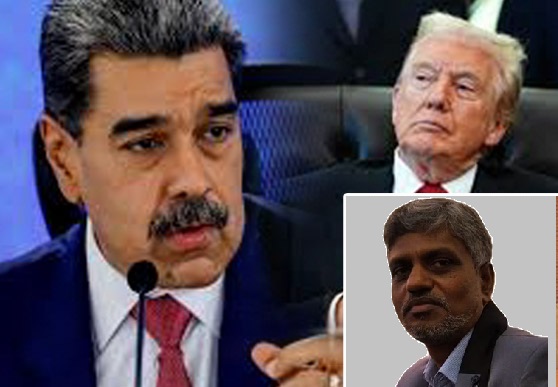 The Bolivarian Solidarity of Sri Lanka warns that although the United States has not launched a direct military attack on Venezuela, its intelligence agencies continue to pursue long-term strategies aimed at destabilizing Venezuelan society. According to the organization’s Secretary, Mr. Jeewantha Jayatissa, the U.S. accusation of drug trafficking against Venezuelan President Nicolás Maduro is a fabricated pretext designed to justify foreign intervention. He further argues that growing political resistance within the United States reflects the will of the American people, making a direct U.S. attack on Venezuela unlikely under current conditions.
Presented below is the full conversation that Lanka Leader held with Mr. Jeewantha Jayatissa on these developments.
Q: On November 6, the U.S. Senate rejected a bill that would have required congressional approval before taking military action against Venezuela. As a result, the U.S. President can now authorize a strike without Congress. How do you interpret this development?
Jeewantha Jayatissa:
Yes, that is correct — President Donald Trump can now take military action
against Venezuela without the approval of Congress. But we must pay close
attention to the context of the bill’s defeat.
The U.S. Senate has 100 members.
This bill received 49 votes in support — including votes from two Republican
senators aligned with President Trump. So although the bill was defeated, it
was a respectable and narrow loss. Had it passed the Senate and moved to
the full Congress, it is very likely that it would have gained stronger
bipartisan support. In such a case, the President would not have been able to
take unilateral military action.
The near-passage of the bill
indicates a growing sentiment within the U.S. that intervening abroad is not
the priority of the American public, especially in the midst of their own
domestic crises.
Even Trump’s recent attack on New
York Mayor Sohran Mamdani — calling him a “communist lunatic” — did not have
the desired impact among New Yorkers. This shows that Americans are
increasingly rejecting war rhetoric, including military aggression toward
Venezuela.
Q:
Washington frequently labels President Nicolás Maduro as a drug trafficker and
claims U.S. military patrols near Venezuela reduce drug flows into the U.S.
Does this give the U.S. a legitimate right to act?
Jeewantha Jayatissa:
Any country — including the United States — has the sovereign right to prevent
drug inflows. But Washington is abusing that principle to build a false
justification for intervention.
Even U.S. government data
contradicts its own accusations.
The U.S. Drug Enforcement Administration (DEA) assessed in 2025 that the
Venezuelan government is not among the leaders or sponsors of drug
networks threatening U.S. territory.
The UN’s 2025 World Drug Report
also highlights that the U.S. is the largest drug market in the region —
perhaps the world — and hosts the most extensive trafficking and
money-laundering networks. These networks operate with near impunity across the
U.S. economy.
Moreover, the report stresses that
the U.S. arms industry — operating globally without proper oversight — fuels
the strength of criminal organizations across Latin America.
So instead of addressing the real
root of the drug crisis within its own borders, the U.S. is trying to “start a
fire where there is no fire” in Venezuela — while ignoring the flames inside
its own house. Western media, by repeating these unverified claims, has helped
distort global opinion.
Q:
You seem to suggest that the U.S. plays a negative role throughout Latin
America. Does Washington not engage in any constructive initiatives in the
region?
Jeewantha Jayatissa:
To be direct — no.
U.S. foreign policy has long been based on weakening and exploiting other
countries. The sanctions on Cuba are a clear example. Despite more than 30
years of overwhelming global votes at the UN General Assembly demanding they be
lifted — with 165 countries supporting Cuba in 2025 — the U.S. still refuses to
end them.
Cuba has no major natural resources
nor a threatening military. Yet the U.S. punishes it endlessly. This alone
exposes Washington’s hypocrisy.
After the collapse of the Soviet
Union in 1991, the world briefly became unipolar, and thinkers like Francis
Fukuyama proclaimed the “end of history.” The U.S., behaving like an
unchallenged empire, pushed countries to either submit or be destroyed — the
opposite of Lenin’s theory that imperialist octopuses must be cut, not
empowered.
Q:
So is Venezuela one of the countries that challenged the “end of history”
theory? What evidence supports this?
Jeewantha Jayatissa:
Venezuela is certainly one of them — but not the only one. Cuba, China, North
Korea, Iran, Libya, and Iraq all challenged this theory. But unlike Iraq and
Libya — which were destroyed — Cuba survived through creativity, resilience,
and unity.
Venezuela’s challenge began with Hugo
Chávez, whose influence extended far beyond traditional armed struggle.
Chávez built a new political path that inspired global South nations.
His electoral victories — 1998,
2000, 2006, and 2012 — demonstrated massive public support for his
anti-imperialist vision.
Q:
Did this resistance movement end with Chávez’s death?
Jeewantha Jayatissa:
Not at all. Chávez laid a foundation strong enough to continue long after him.
Even Fidel Castro once told
Bolivia’s Evo Morales that he should learn not from Castro — but from Chávez.
That shows Chávez’s importance in shaping the new global political landscape.
He strengthened military and
economic ties with Russia, signing dozens of cooperative agreements and
engaging in joint military exercises. He also significantly advanced relations
with China — far more deeply than any previous Venezuelan leader.
This diplomatic strategy directly
opposed the unipolar world envisioned by Fukuyama and Washington.
Q:
Venezuela experienced severe hardship under President Maduro. How do you view
the crisis period that followed Chávez’s death?
Jeewantha Jayatissa:
Maduro inherited massive challenges. The U.S. poured resources into
destabilizing Venezuelan society, using figures like María Corina Machado to
trigger violent unrest. Inflation soared between 2016 and 2017, and ordinary
people suffered deeply.
But the United Socialist Party and
Maduro’s leadership managed to reorganize society and overcome the crisis. It
was an extremely difficult period, but they prevailed.
Q:
With the U.S. accusing Maduro of drug trafficking, isn’t a U.S. military attack
now likely?
Jeewantha Jayatissa:
The accusations are fabricated. They are part of a broader strategy to justify
an invasion. Even the awarding of the Nobel Peace Prize to María Corina Machado
— a far-right figure openly calling for foreign intervention — fits a wider
geopolitical agenda.
Yet Maduro is not a weak or isolated
leader. He fully understands Venezuela’s historical mission. The country holds
the largest proven oil reserves in the world and vast natural wealth. He
knows he must protect these resources for future generations.
Maduro has built strong diplomatic
and economic alliances with Russia, China, Brazil, Iran, Cuba, and
others. Russian lawmakers have even passed legislation promising to defend
Venezuela amid U.S. military threats. China, meanwhile, remains deeply tied to
Venezuela through massive investments, energy cooperation, and infrastructure
projects — without engaging in asset-seizure or debt-trap tactics.
Maduro has skillfully managed both
China and Russia, ensuring Venezuela's strategic security on multiple fronts.
Q:
So will the United States attack Venezuelan territory?
Jeewantha Jayatissa:
From a logical standpoint, the U.S. is unlikely to launch a direct attack under
current circumstances. But an empire in decline can behave unpredictably. If
Washington ever attempted such a reckless action, it would suffer a defeat
worse than what it faced in Ukraine.
However, even without a military
strike, the U.S. has never abandoned its long-term strategy of
destabilizing Venezuelan society from within through intelligence operations,
sanctions, and information warfare.
Its aim is not necessarily invasion
— but internal collapse.
සම්බන්ධිත පුවත් | Related News
ප්රධාන පුවත්
පොලිස්පතිවරයා අධිකරණයට අපහාස කළ බව ප්රකාශ කරමින් ගම්පහ මහේස්ත්රාත්වරයා අදාළ ලිපිගොනු අභියාචනාධිකරණයට ඉදිරිපත් කරයි..
ශ්රී ලංකන් ගුවන් සේවයේ පද්ධතිවලට අනවසරයෙන් රිංගූ හැකර්ලා ඩොලර් 50,000ක කප්පමක් ඉල්ලලා.. - දයාසිරිගෙන් හෙළිදරව්වක්..
ප්රංශය ඇතුළු යුරෝපා රටවල උග්රවන ආර්ථික අර්බුදය සහ ජනතා විරෝධය ගැන ආචාර්ය ජගත් චන්ද්රවංශගෙන් අනාවරණයක්..
බුද්ධ ශාසන ඇමති අනුරාධපුර පූජා නගරය පිළිබඳ අර්ධ සත්යය මගින් විනාශකාරී මහා සත්යය සඟවනවා.. - ජාතික සංවිධානවලින් චෝදනා
භික්ෂූන් වහන්සේලා පාගමන පැවැත්වූවේ ආණ්ඩුව පෙරළන්න නෙවෙයි.. බුදු දහම, බුද්ධ චීවරය සහ මෙරට ඓතිහාසික වටිනාකම රැකගැනීම වෙනුවෙන්.. - මහාචාර්ය පූජ්ය කොටපිටියේ රාහුල හිමි
"විධායකයට විශාල බලයක් ලබාදීලා.. මහෙස්ත්රාත්වරයා රබර් මුද්රාවක් වෙලා": ත්රස්තවාදයෙන් රාජ්ය ආරක්ෂා කිරීමේ පනතට ශ්රේෂ්ඨාධිකරණයේදී පෙත්සම්කාර පාර්ශ්වයෙන් දැඩි විරෝධතා
අනුරාධපුර බුලන්කුලම වැව් රක්ෂිතයෙන් අක්කර 200ක් නිලධාරීන් අතර බෙදාදීමේ ක්රියාවලිය ප්රශ්න කරමින් දේශහිතෛෂී ජාතික ව්යාපාරයෙන් කෘෂිකර්ම ඇමති ලාල් කාන්තට ලිපියක්
ඉරානය නව වෙළෙඳ මාර්ගයේ ප්රධාන දුම්රිය සම්බන්ධතාවක් සම්පූර්ණ කරයි (වීඩියෝ)
කියුබාවේ හිටපු ජනාධිපති රාවුල් කස්ත්රෝ අත්අඩංගුවට ගැනීමට ඇමෙරිකානු ප්රාන්තයකින් වරෙන්තුවක්
ඇමරිකානු ජනපති ට්රම්ප් සහ රුසියානු ජනපති පුටින් අතර පැවති විනාඩි 90ක රහස් කතාබහේ ඇතුළාන්තය.. - ශ්රී ලංකා කොමියුනිස්ට් පක්ෂයේ ප්රධාන ලේකම්ගෙන් විශේෂ අනාවරණයක්..
මහ සඟරුවනට නින්දා අපහාස කරන නිරාගමික යූටියුබ් කරුවන්ට එරෙහිව අපරාධ පරීක්ෂණ දෙපාර්තමේන්තුවෙන් පරීක්ෂණයක්..
මුහුද යට කේබල් සහ AI මධ්යස්ථාන ඉලක්ක කර ගනිමින් ඉරානයෙන් දැවැන්ත යුද සූදානමක්!..
ඥානසාර හිමියන්ගේ සිවුර ගලවා ආණ්ඩුව රටට දෙන පණිවිඩය ගැන ප්රවීන මාධ්යවේදී ධර්මශ්රී ගෙන් අනාවරණයක්..
බෝධිසත්ව ගුණ නොමැති පුද්ගලයන් රජ නොවිය යුතුයි.. රජකම ලැබෙන්නේ චීවරය රකින්නයි..- අස්ගිරියෙන් ප්රකාශයක්..
මහානායක අතිපූජ්ය ඕමාරේ කස්සප නායක හිමියන් විපක්ෂ නායක හිරවෙන ප්රශන 3ක් අහලා..
අද, හෙට සහ අනිද්දා දීප ව්යාප්ත විදුලි කප්පාදුවක්..