
The Rebalancing Act: Why the 21st Century is Returning to Asia

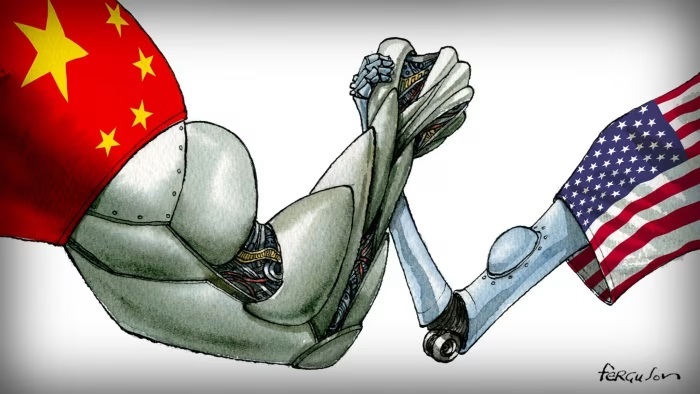 A profound and unsettling question is simmering in the halls of power from Washington to Brussels: Is the American century over? For decades, the narrative of global progress was written in the West. But today, a new story is being drafted, not with ink, but with bullet trains, 5G towers, and the unprecedented rise of a global middle class in the East. This isn't a tale of a dark future, but of a great rebalancing—a return to a historical norm after a 200-year aberration.
By the Numbers: The Greatest Lift in Human History
To understand the scale of this shift, one must look at the data. The Asia-Pacific region, home to 3.5 billion people, was home to a mere 150 million middle-class citizens in the year 2000. By 2020, that number had exploded tenfold to 1.5 billion. Projections suggest that by 2030, a staggering 3 billion people in this region will enjoy middle-class living standards.
This is not an anomaly; it is a homecoming. For 1,800 of the last 2,000 years, the combined economies of China and India dominated the global landscape. The recent centuries of Western hegemony are the historical outlier. As one Asian diplomat aptly put it, "The West is not losing because of Asia, but because of its own internal crises. Asia is simply returning to its natural place."
The American Malaise: A System at War with Itself
The anxiety in the West is palpable. In an old-fashioned factory in Ohio, a worker named John mutters over his oil-stained suit, "I worked here for 20 years. My salary increased very little. But my boss could buy a new boat." His frustration is a microcosm of a larger structural problem. For decades, the incomes of the bottom 50% of Americans have stagnated, not because of China, but due to a political system that increasingly serves the top 10%.
This internal decay manifests in self-defeating policies. Tariff wars ultimately tax the American consumer. Cutting off China from semiconductor technology cost U.S. companies crucial R&D revenue, only to see China’s global market share in chips surge from 10% to 50%. Billions are spent on obsolete weapons systems, like massive aircraft carriers that some experts call "floating ducks" in the age of modern missiles, a testament to the powerful grip of the military-industrial complex. America’s greatest adversary, it seems, is its own political gridlock.
Beyond the Cold War Lens: China is Not the USSR
The West often makes a critical error: viewing China through the same lens as the former Soviet Union. This is a profound misconception. A visitor to Moscow in 1976 recalled a scarcity so severe that a single toothbrush sat a foot from its neighbor on a barren shelf. China today is the antithesis of that.
It is a nation of vibrant, often breathtaking, modernity. As one popular YouTuber noted, the journey from New York's Kennedy Airport to Beijing Airport feels like "arriving at a third-world airport from a first-world one." In 2019, 139 million Chinese citizens traveled abroad freely and returned. This is not the behavior of an oppressed populace. Even Chinese graduates from Ivy League universities are increasingly choosing to return home, lured by opportunity.
The Living Blueprint: A Glimpse into China's Engine
To see the future being built, one need not look further than Chongqing. Its new East Railway Station is not merely a transit hub; it is a statement. A colossal, futuristic marvel that makes most Western airports look like provincial bus stops. From here, a vast high-speed rail network connects the nation, placing Beijing, 1,350 km away, within a six-hour reach.
This connectivity is the lifeblood of a modern economy. Chongqing’s metro system, an engineering fantasy, winds through mountains, under rivers, and even directly through skyscrapers. And crucially, whether deep underground or on a remote mountain road, a reliable 5G signal is a given—a seamless connectivity that many "developed" nations still struggle to provide.
Dan Wong, a research fellow who lived in Shanghai, witnessed this duality. He experienced the ease of life in a city that, despite pandemic closures, was expanding its green spaces with a plan to build 1,000 parks by 2025. Curious about rural China, he embarked on a cycling trip through Guizhou, the country's fourth-poorest province.
What he found astounded him: a region the size of West Virginia, boasting 11 airports, dozens of the world's highest bridges, and pristine new highways. "It was infrastructure," he notes, "that even the richest American states could not match."
A New Social Contract
The Chinese model presents a different social contract, one where societal stability and progress are often prioritized over untrammeled individual freedom. While Western ideology holds individual liberty as the highest good, many in China accept certain behavioral restrictions as a trade-off for a society they see as safe, orderly, and relentlessly progressive.
Our Shared Boat on a Shrinking Planet
The old world order was one of 193 separate ships. A crisis on one had little effect on the others. Today, we are all in 193 separate cabins on the same boat. The COVID-19 pandemic was a stark reminder: when a fire breaks out in one cabin, the entire vessel is threatened.
In this interdependent reality, it is futile for America, even with the largest cabin, to focus solely on its own patch while the ship takes on water. The challenges of the 21st century—from pandemics to climate change—demand a new mentality, one that recognizes the success of all nations is intertwined.
For the rest of the world, particularly rising nations, this power shift is not a cause for anxiety but for strategic opportunity. The stagnation of the West and the simultaneous rise of Asia represent the most significant geopolitical realignment in over two centuries. The question is no longer who will "lead" the world, but how we will all navigate its rebalancing, together.
Sagara Diyagama
diyagama@outlook.com
https://wa.me/94713457467
සම්බන්ධිත පුවත් | Related News

ප්රධාන පුවත්
පොලිස්පතිවරයා අධිකරණයට අපහාස කළ බව ප්රකාශ කරමින් ගම්පහ මහේස්ත්රාත්වරයා අදාළ ලිපිගොනු අභියාචනාධිකරණයට ඉදිරිපත් කරයි..
ශ්රී ලංකන් ගුවන් සේවයේ පද්ධතිවලට අනවසරයෙන් රිංගූ හැකර්ලා ඩොලර් 50,000ක කප්පමක් ඉල්ලලා.. - දයාසිරිගෙන් හෙළිදරව්වක්..
ප්රංශය ඇතුළු යුරෝපා රටවල උග්රවන ආර්ථික අර්බුදය සහ ජනතා විරෝධය ගැන ආචාර්ය ජගත් චන්ද්රවංශගෙන් අනාවරණයක්..
බුද්ධ ශාසන ඇමති අනුරාධපුර පූජා නගරය පිළිබඳ අර්ධ සත්යය මගින් විනාශකාරී මහා සත්යය සඟවනවා.. - ජාතික සංවිධානවලින් චෝදනා
භික්ෂූන් වහන්සේලා පාගමන පැවැත්වූවේ ආණ්ඩුව පෙරළන්න නෙවෙයි.. බුදු දහම, බුද්ධ චීවරය සහ මෙරට ඓතිහාසික වටිනාකම රැකගැනීම වෙනුවෙන්.. - මහාචාර්ය පූජ්ය කොටපිටියේ රාහුල හිමි
"විධායකයට විශාල බලයක් ලබාදීලා.. මහෙස්ත්රාත්වරයා රබර් මුද්රාවක් වෙලා": ත්රස්තවාදයෙන් රාජ්ය ආරක්ෂා කිරීමේ පනතට ශ්රේෂ්ඨාධිකරණයේදී පෙත්සම්කාර පාර්ශ්වයෙන් දැඩි විරෝධතා
අනුරාධපුර බුලන්කුලම වැව් රක්ෂිතයෙන් අක්කර 200ක් නිලධාරීන් අතර බෙදාදීමේ ක්රියාවලිය ප්රශ්න කරමින් දේශහිතෛෂී ජාතික ව්යාපාරයෙන් කෘෂිකර්ම ඇමති ලාල් කාන්තට ලිපියක්
ඉරානය නව වෙළෙඳ මාර්ගයේ ප්රධාන දුම්රිය සම්බන්ධතාවක් සම්පූර්ණ කරයි (වීඩියෝ)
කියුබාවේ හිටපු ජනාධිපති රාවුල් කස්ත්රෝ අත්අඩංගුවට ගැනීමට ඇමෙරිකානු ප්රාන්තයකින් වරෙන්තුවක්
ඇමරිකානු ජනපති ට්රම්ප් සහ රුසියානු ජනපති පුටින් අතර පැවති විනාඩි 90ක රහස් කතාබහේ ඇතුළාන්තය.. - ශ්රී ලංකා කොමියුනිස්ට් පක්ෂයේ ප්රධාන ලේකම්ගෙන් විශේෂ අනාවරණයක්..
මහ සඟරුවනට නින්දා අපහාස කරන නිරාගමික යූටියුබ් කරුවන්ට එරෙහිව අපරාධ පරීක්ෂණ දෙපාර්තමේන්තුවෙන් පරීක්ෂණයක්..
මුහුද යට කේබල් සහ AI මධ්යස්ථාන ඉලක්ක කර ගනිමින් ඉරානයෙන් දැවැන්ත යුද සූදානමක්!..
ඥානසාර හිමියන්ගේ සිවුර ගලවා ආණ්ඩුව රටට දෙන පණිවිඩය ගැන ප්රවීන මාධ්යවේදී ධර්මශ්රී ගෙන් අනාවරණයක්..
බෝධිසත්ව ගුණ නොමැති පුද්ගලයන් රජ නොවිය යුතුයි.. රජකම ලැබෙන්නේ චීවරය රකින්නයි..- අස්ගිරියෙන් ප්රකාශයක්..
මහානායක අතිපූජ්ය ඕමාරේ කස්සප නායක හිමියන් විපක්ෂ නායක හිරවෙන ප්රශන 3ක් අහලා..
අද, හෙට සහ අනිද්දා දීප ව්යාප්ත විදුලි කප්පාදුවක්..